Navigating Climate-related Displacements: Insights from Cyclone Idai in Mozambique
Navigating Climate-related Displacements: Insights from Cyclone Idai in Mozambique Read More »


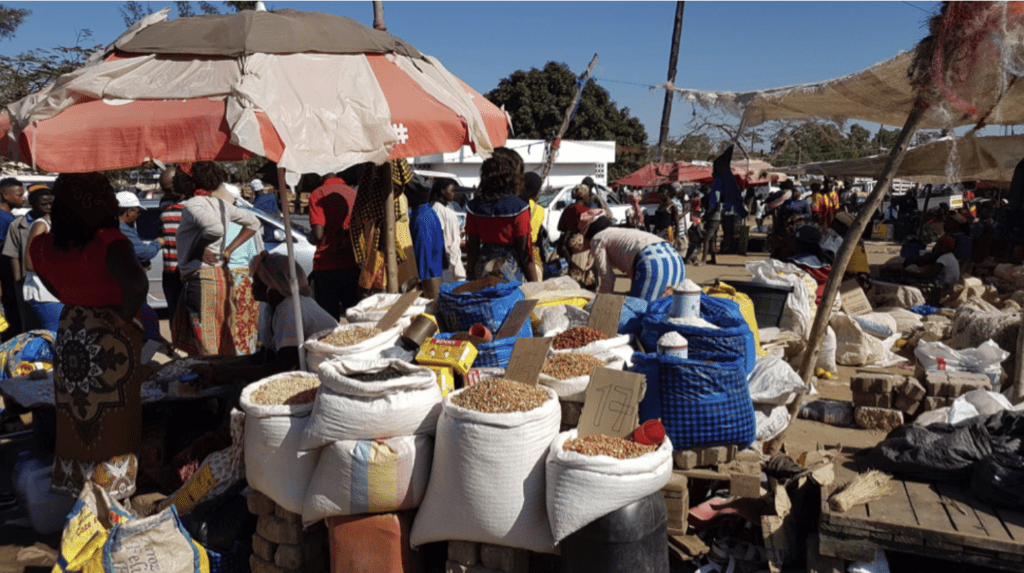
COVID-19 intersected with longstanding structural challenges in Mozambique, including widespread poverty, deep inequality, and a labour market dominated by informal employment, creating a multidimensional crisis affecting health, livelihoods, and food access. While the pandemic was primarily framed by the government as a public health emergency, its most enduring consequences were felt in disruptions to everyday
Balancing Survival: COVID-19, Gender, and the Informal Food Sector in Mozambique Read More »

Tropical Cyclone Idai, which struck in March 2019, is one of the most catastrophic climate-related disasters in Southern Africa’s history, particularly affecting Mozambique, Malawi, and Zimbabwe. Across these countries, the cyclone caused widespread economic, environmental, and infrastructural destruction, rapid displacements, and fatalities. Displaced people encountered disproportionate disaster impacts, underscoring the need to mitigate displacement risks
Managing Displacement Amid Climate Extremes: Lessons from Cyclone Idai, Mozambique Read More »
This research addresses critical gaps by 1) Mapping informal food remittance circuits that national data systems ignore, 2) Analyzing gender differences in how cash versus in-kind food transfers affect household diets, and 3) Providing policy insights for the SADC Protocol on Facilitation of Movements, which currently neglects linkages to food security. The study offers comparative