

NEWS
MiFOOD partner Elizabeth Onyango publishes PLOS One study on women informal food vendors in Kenya
R2 Postdoc Zack Ahmed highlights the role of remittances in climate adaptation in The Conversation
MiFOOD Postdoc Zack Ahmed presents Kenya–Qatar migration research at Africa–Gulf workshop in Nairobi
MiFOOD partner Elizabeth Onyango publishes PLOS One study on women informal food vendors in Kenya
R2 Postdoc Zack Ahmed highlights the role of remittances in climate adaptation in The Conversation
LATEST MiFOOD PAPERS
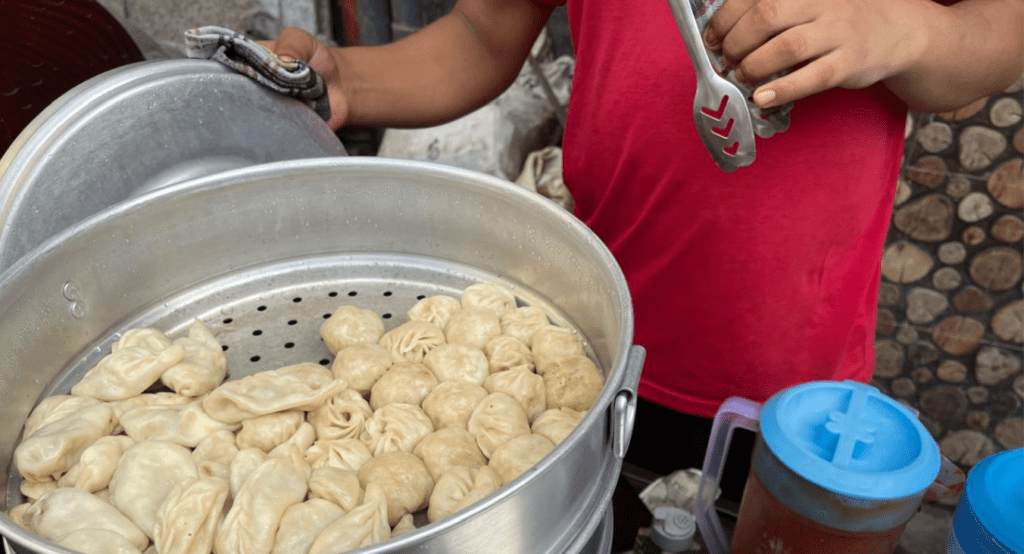
‘Little Pockets of Joy and Happiness’: Momo Informal Entrepreneurial Economy, Urban Foodways, and Nepali Migrants in Delhi, India
Nepali migrants have played a key role in popularising momos as a street food and are central to their informal production, circulation, and sale in Delhi. Drawing on field and desktop research, the paper analyzes how this migrant food became an urban staple and how Nepali migrant foodways generated the urban momo economy by converting culinary knowledge and food-work experience…
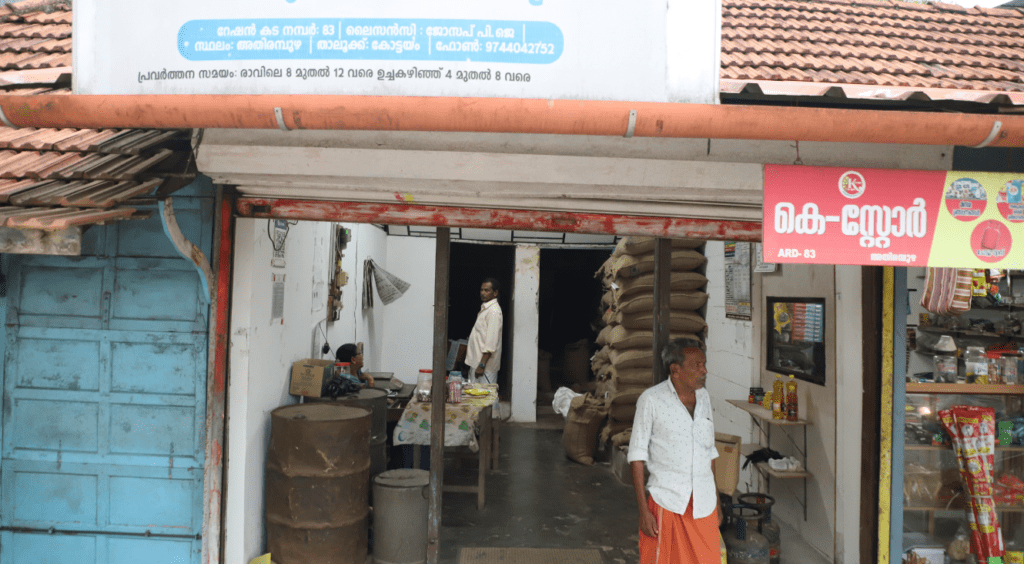
Food Insecurity and Coping Mechanisms of Migrant and Non-Migrant Households in Kerala
This study examines food insecurity and household coping mechanisms in Kerala, focusing on food availability and consumption patterns across migrant and non-migrant households. From the Kerala Migration Survey (KMS) 2023 sample, data was collected from a sub-sample of 1289 households across 48 localities in all 14 districts of Kerala in 2024. The study compares different types of households, including emigrant,…
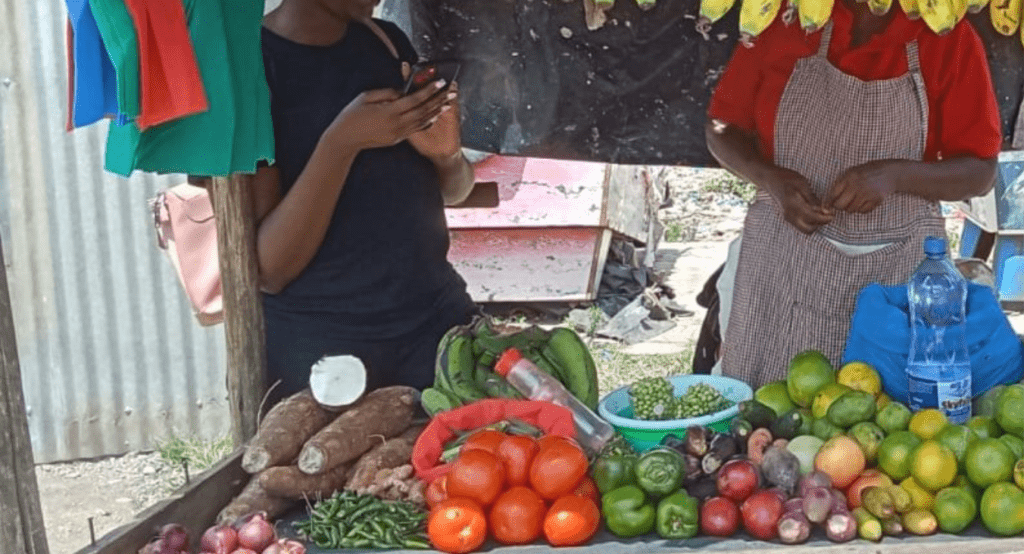
Entrepreneurial Bricolage and Configurations of COVID-19 Resilience Among Women Food Vendors in Nairobi’s Informal Settlements
Women food vendors are central to urban informal food systems in Nairobi’s informal settlements. They connect low-in- come households to accessible and affordable food while sustaining their own livelihoods. However, they operate these enterprises under conditions of income precarity, limited capital, unstable demand, food perishability, and constrained urban informality. The COVID-19 pandemic intensified these vulnerabilities, turning everyday livelihood pressures into…
LATEST MiFOOD PAPERS
‘Little Pockets of Joy and Happiness’: Momo Informal Entrepreneurial Economy, Urban Foodways, and Nepali Migrants in Delhi, India
Nepali migrants have played a key role in popularising momos as a street food and are central to their informal production, circulation, and sale in Delhi. Drawing on field and desktop research, the paper analyzes how this migrant food became an urban staple and how Nepali migrant foodways generated the urban momo economy by converting culinary knowledge and food-work experience…
Food Insecurity and Coping Mechanisms of Migrant and Non-Migrant Households in Kerala
This study examines food insecurity and household coping mechanisms in Kerala, focusing on food availability and consumption patterns across migrant and non-migrant households. From the Kerala Migration Survey (KMS) 2023 sample, data was collected from a sub-sample of 1289 households across 48 localities in all 14 districts of Kerala in 2024. The study compares different types of households, including emigrant,…