
Corridors
Inter-continental Corridors
1. Canada - Ghana
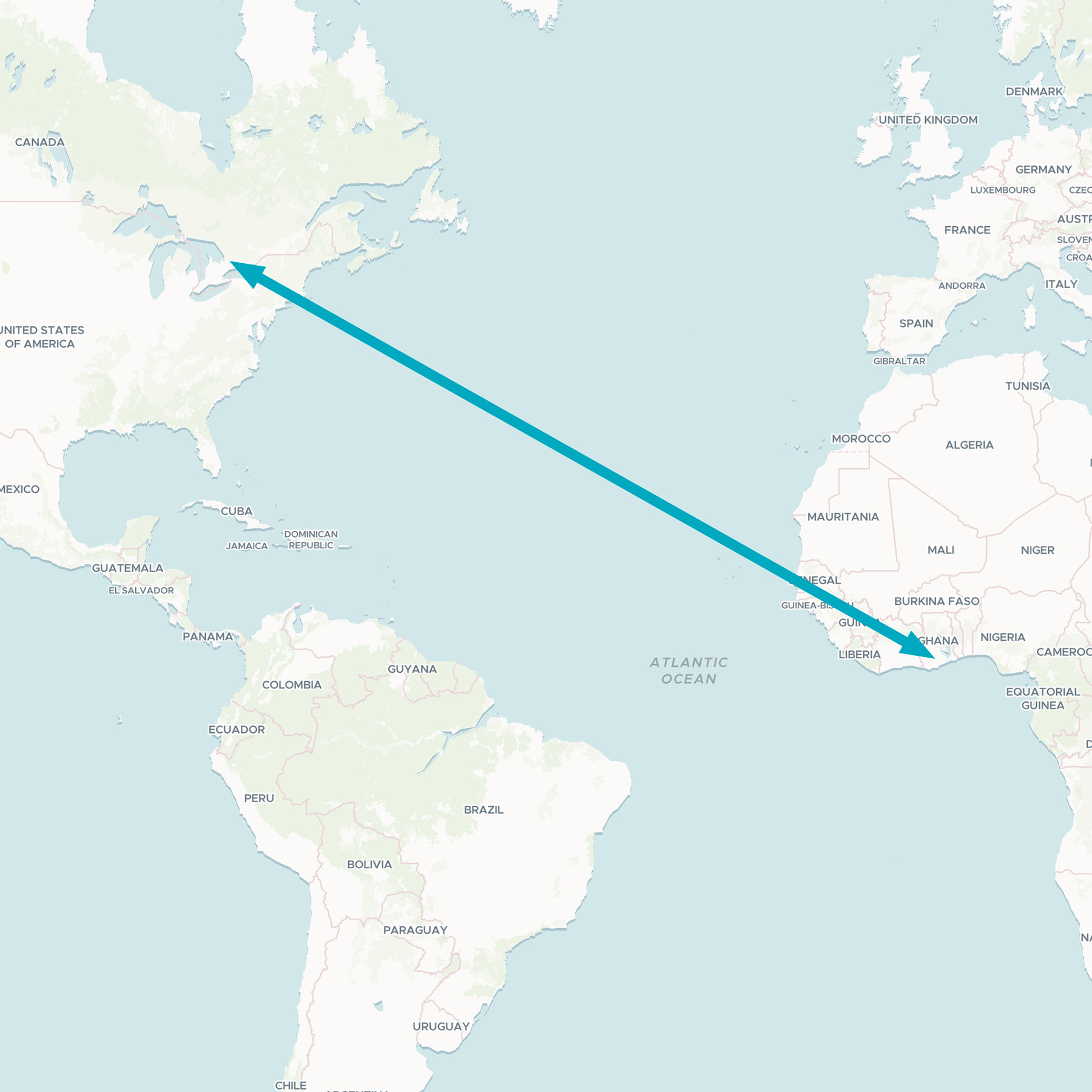
The Ghana–Canada corridor has grown steadily since the 1970s, when large numbers of Ghanaians began migrating in search of education and employment opportunities. Today, Canada ranks among the top ten destinations for Ghanaian migrants, with most settling in Ontario (particularly Toronto). Ghanaian migrants are relatively young and economically active, with an employment rate of 65% and an average annual income slightly below the Canadian average. Remittance flows through this corridor have expanded significantly. Canada ranks as the 20th highest remittance-sending country, while Ghana is the 2nd largest remittance recipient in Sub-Saharan Africa, receiving over USD 4.5 billion in 2022. Transfers occur mainly via digital channels such as mobile operators, banks, and money transfer operators (MTOs), reflecting Ghana’s strong performance as Africa’s second most digitally remittance-ready country. Non-digital and informal methods remain important for sending food and household goods such as canned food, baby formula, and cooking oil. Remittances are primarily used for food, education, health care, and small-scale businesses, and increasingly support agricultural adaptation measures such as irrigation, water storage, and farm equipment. Overall, this corridor plays a vital role in enhancing household resilience, food security, and climate adaptation in Ghana.
2. Canada - Zimbabwe
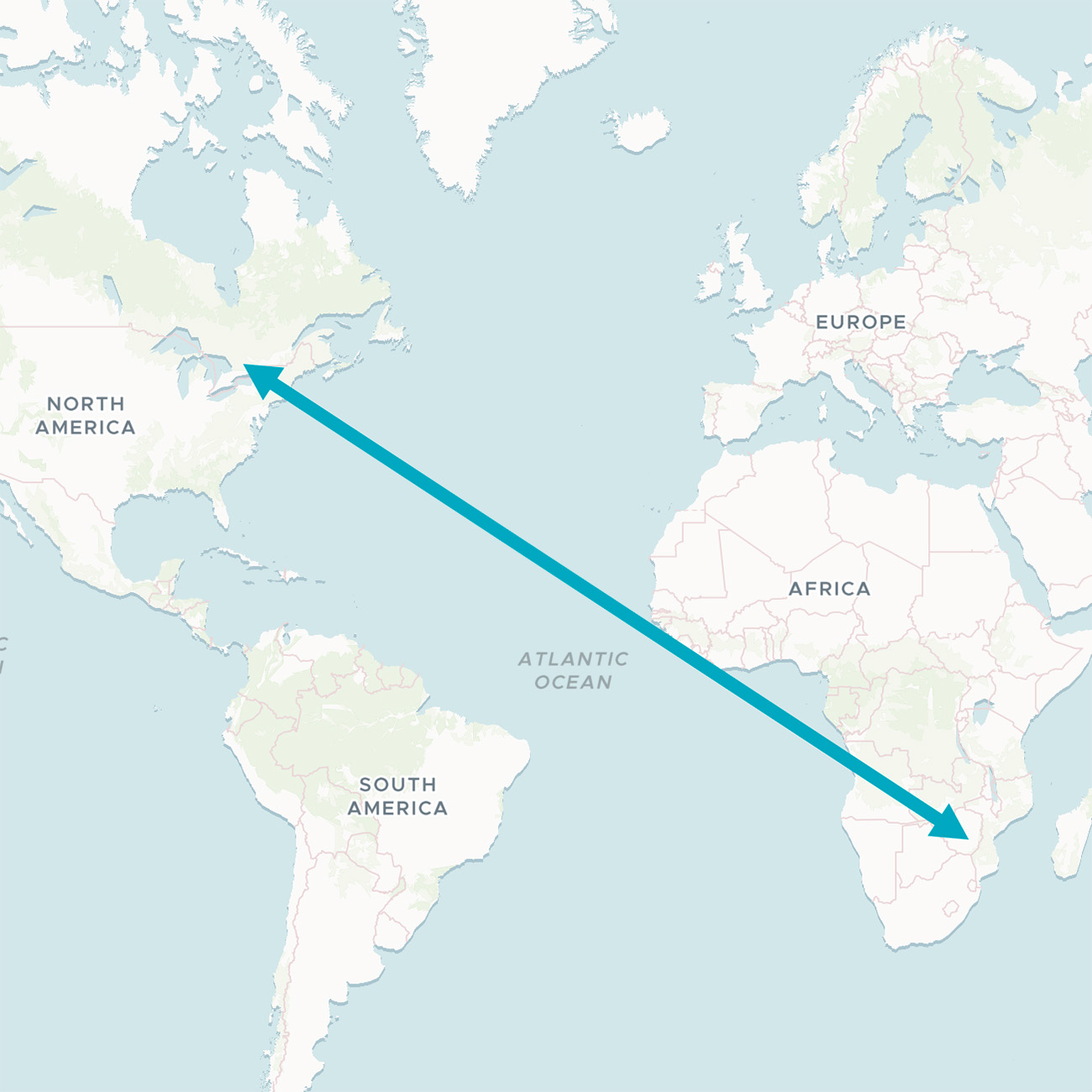
The Canada–Zimbabwe corridor is a growing link shaped by skilled migration, education, and family ties. As of the 2021 Census, about 14,000 Zimbabweans live in Canada, mainly in Toronto, Calgary, and Edmonton, with most being young, educated professionals who migrated through skilled worker or student programs. A 2010 survey found that most Zimbabweans in Canada send remittances home, averaging around CAD 2,700 annually, mainly to support family members. Over 80% used formal transfer channels such as MoneyGram, Western Union, and banks, highlighting a well-regulated flow compared to the informal systems dominant in regional corridors like South Africa–Zimbabwe. The COVID-19 pandemic has boosted the rapid adoption of digital remittance channels enabled by the expansion of cellphone connectivity in Zimbabwe. Remittances are primarily used for food, education, health care, and household needs, playing a crucial role in household welfare and food security. Though smaller in total value, the Canada–Zimbabwe corridor stands out for its stability, traceability, and skilled diaspora base, offering strong potential for integration with climate finance and resilience initiatives. Leveraging these formal remittance pathways can help channel diaspora resources into climate adaptation, community-based resilience, and sustainable development, positioning the corridor as a promising model for linking migration, remittances, and climate-smart investment in Zimbabwe.
3. The UK - Zimbabwe
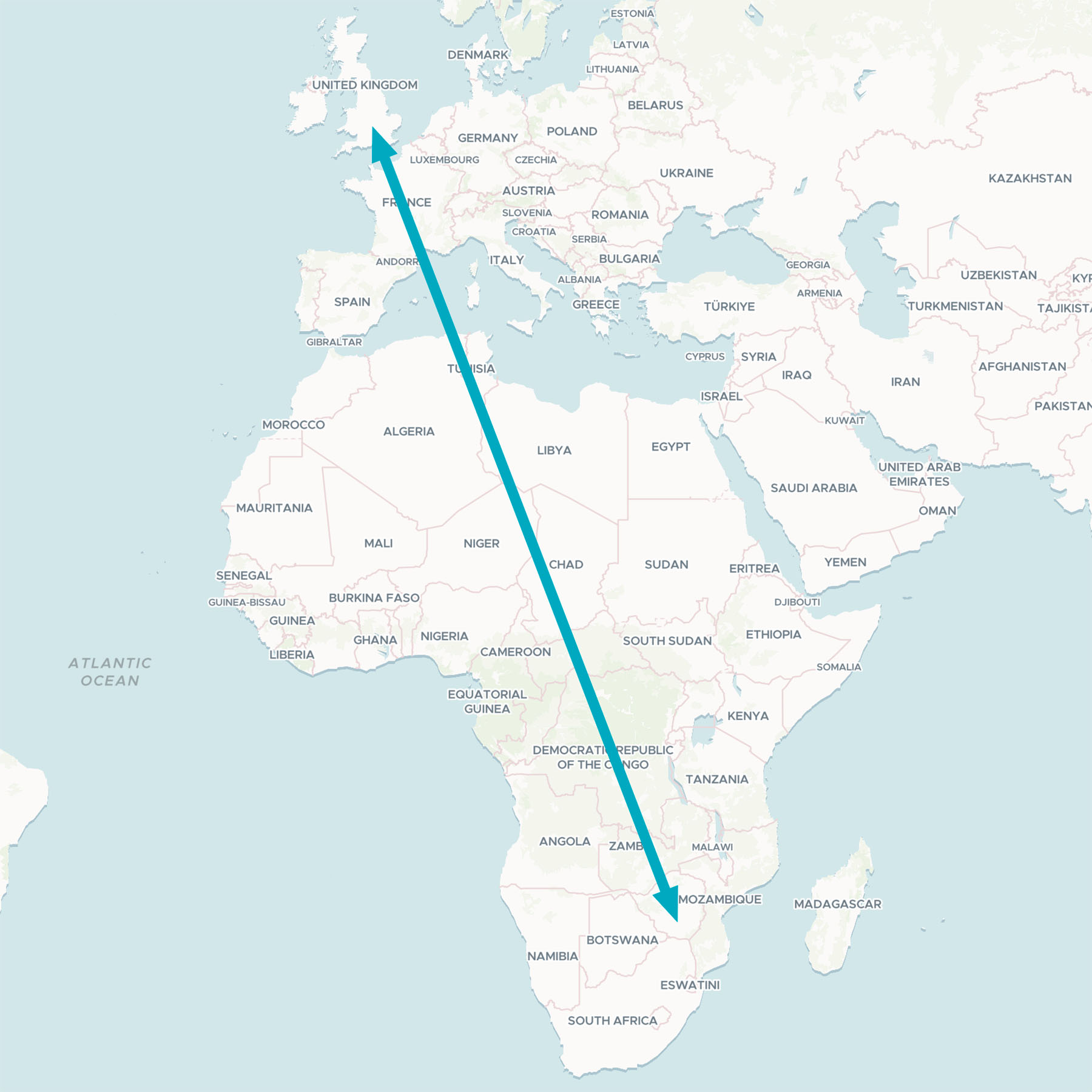
The Zimbabwe–United Kingdom corridor is one of Zimbabwe’s most established and diversified diaspora linkages, shaped by decades of migration driven by education, economic opportunity, and political instability. The UK Census recorded about 40,000 Zimbabwe-born residents in 2021, but more recent estimates suggest the community exceeds 170,000 people when second-generation migrants and naturalized citizens are included. Zimbabweans are widely dispersed across major cities such as London, Birmingham, Manchester, Luton, and Leicester, forming a mature and increasingly feminized diaspora. The population is socio-economically diverse, including skilled professionals, students, asylum seekers, and undocumented workers. In terms of financial flows, the UK is Zimbabwe’s second-largest remittance-sending country, contributing about US$375 million annually (2021) and ranking 20th among global remittance corridors to Zimbabwe. Remittances are primarily sent through formal and digital channels such as Mukuru, WorldRemit, Western Union, and Remitly, making this corridor one of the least costly compared to those originating from Canada or South Africa. These transfers are mainly used to support food security, education, health care, and daily household needs. Overall, the Zimbabwe–UK corridor demonstrates how remittances remain central to household welfare, transnational solidarity, and climate resilience, while also reflecting the evolving digitalization and emotional labor of diaspora support systems.
4. Qatar - Ghana
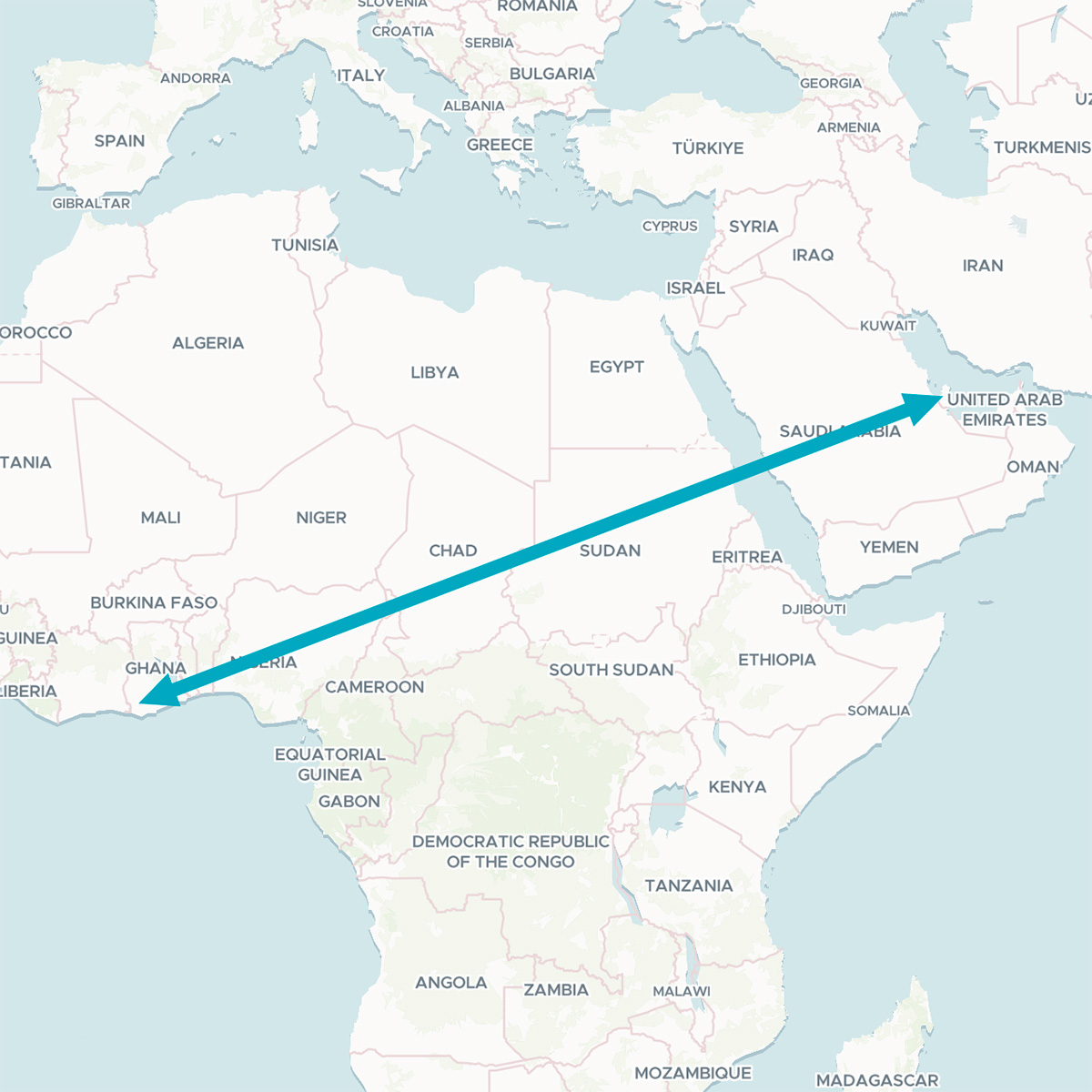
The Ghana–Qatar corridor has grown steadily since the 1980s, reflecting broader West African participation in Gulf labour markets. Migration intensified during the 1990s and 2000s, with Ghanaians, especially domestic workers and low-skilled labourers, seeking employment opportunities in Qatar and other Gulf states. Official data from Ghana’s Ministry of Labour (2018) indicates that most female migrants work in the service sector, while male migrants are mainly employed as construction workers, masons, and steel fixers. Although precise figures are unavailable, embassy records and surveys show a consistent rise in Ghanaians working in Qatar. Remittance exchanges between the two countries are bi-directional, with 80% of migrant households in Ghana receiving cash and 51% receiving food or goods from relatives in Qatar. Conversely, food items are also sent from Ghana to Qatar, reflecting strong transnational family networks. Remittances are primarily used for food, but also finance education, small businesses, and agricultural activities, contributing to both household welfare and local economic resilience. Overall, migration to the Gulf from Ghana serves as both a livelihood and resilience strategy for Ghanaian households. In addition, remittances play a pivotal role in food security, gendered economic empowerment, and community adaptation to economic and environmental challenges.
Intra-African Corridors
5. South Africa - Zimbabwe
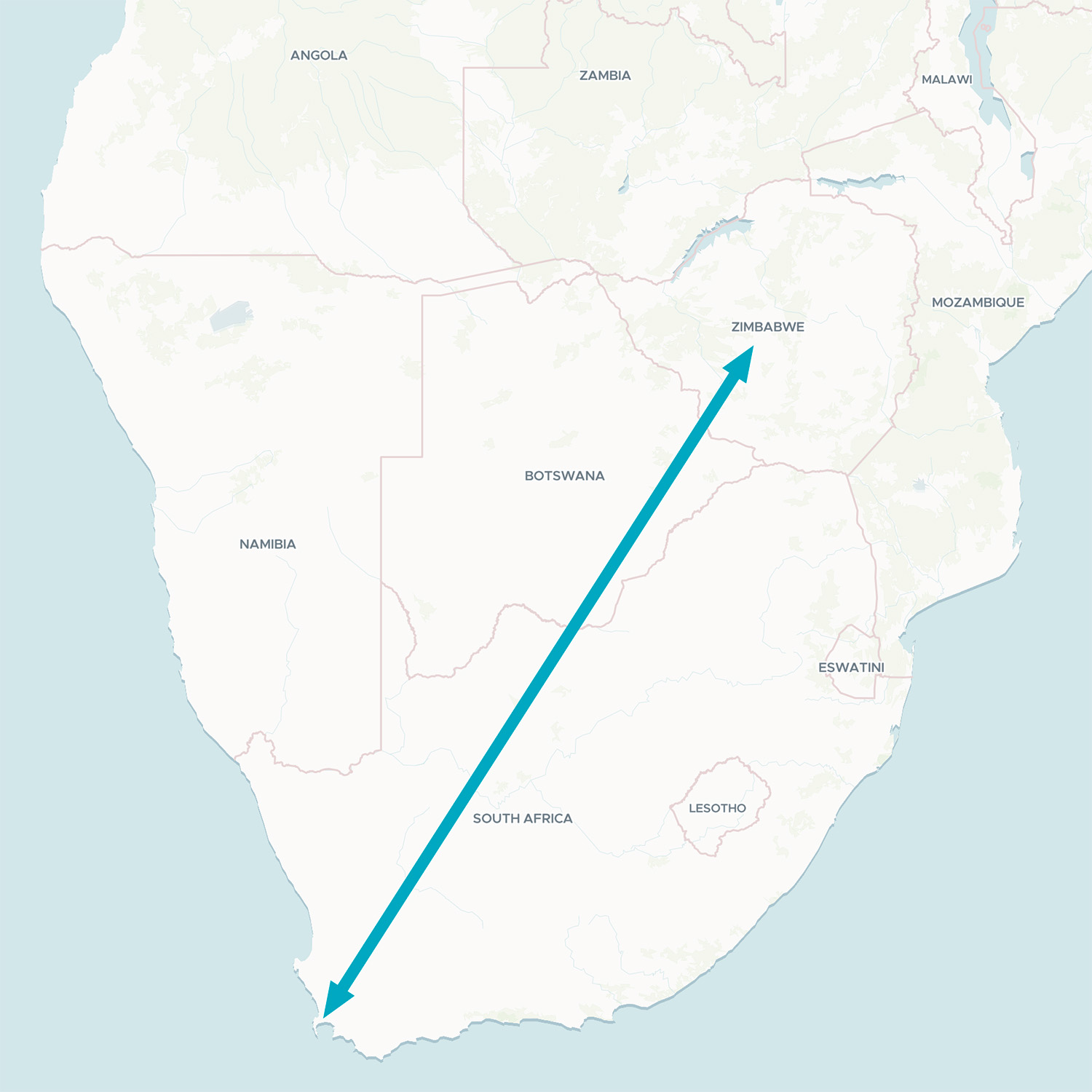
The South Africa–Zimbabwe corridor is one of the most significant South–South migration systems in Africa, shaped by deep economic, political, and environmental linkages. South Africa hosts over 1 million Zimbabweans, the largest foreign population in the country, driven by economic hardship, political instability, and climate stress in Zimbabwe. While total remittances to Zimbabwe reached around USD 3.3 billion in 2023, both formal and informal remittance channels play a vital role. Informal systems rely on cross-border traders and “malayishas” transporting cash, groceries, and goods across borders. These remittances are a lifeline for many Zimbabwean households, reducing poverty and improving access to food, education, and healthcare, while supporting local markets and the national economy. During the COVID-19 pandemic, lockdowns disrupted informal routes, accelerating a shift to digital and mobile fintech platforms such as Mukuru, WorldRemit, and EcoCash. Increasingly, migrants and informal agents use mobile payments and social media for transactions and communication. The corridor exemplifies how migration, remittances, and digital innovation sustain livelihoods and food security amid ongoing economic and climate-related crises in Zimbabwe.
6. South Africa - Ethiopia
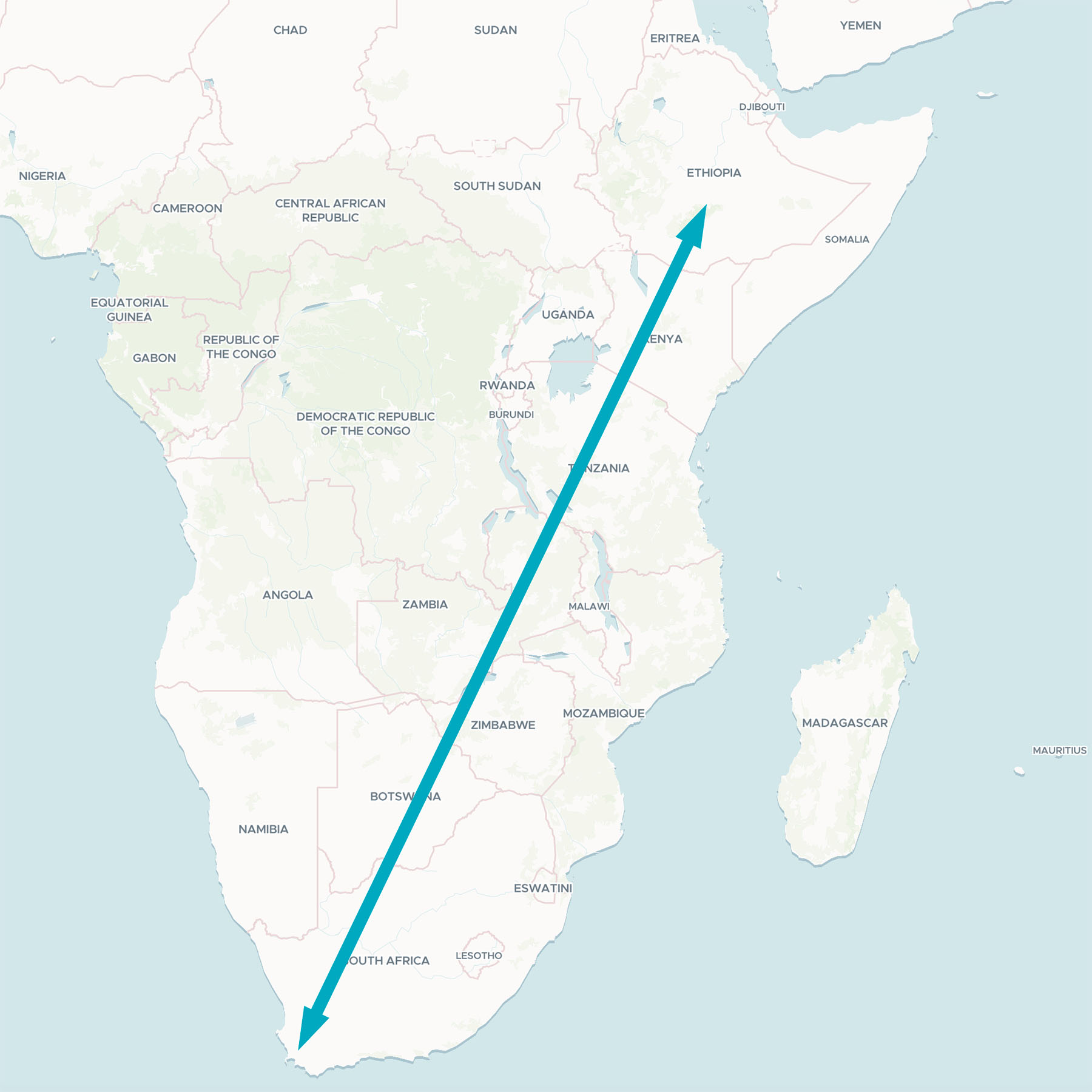
The Ethiopia–South Africa corridor is one of the most dynamic and challenging migration routes in Africa, driven by a mix of economic, social, and environmental pressures. Over 3 million Ethiopians live abroad, and an estimated half a million have migrated to Southern Africa over the past two decades, with South Africa hosting the largest number of non-camp refugees and asylum seekers in the region. Most migrants originate from southern Ethiopia, moving irregularly through porous land and sea routes, facing severe risks of exploitation, trafficking, and unsafe transport. Ethiopian migrants in South Africa contribute significantly to both economies and remittances form part of the over USD 4 billion Ethiopia receives annually from its global diaspora. These flows sustain rural households, reduce poverty, and enhance resilience in climate-stressed regions of origin. However, migrants face continued challenges which restrict their economic potential. The Ethiopia–South Africa corridor therefore represents both a survival and opportunity pathway, calling for policies that link migration governance, remittance facilitation, and climate resilience to promote safer and more sustainable migration outcomes.
7. South Africa - Malawi
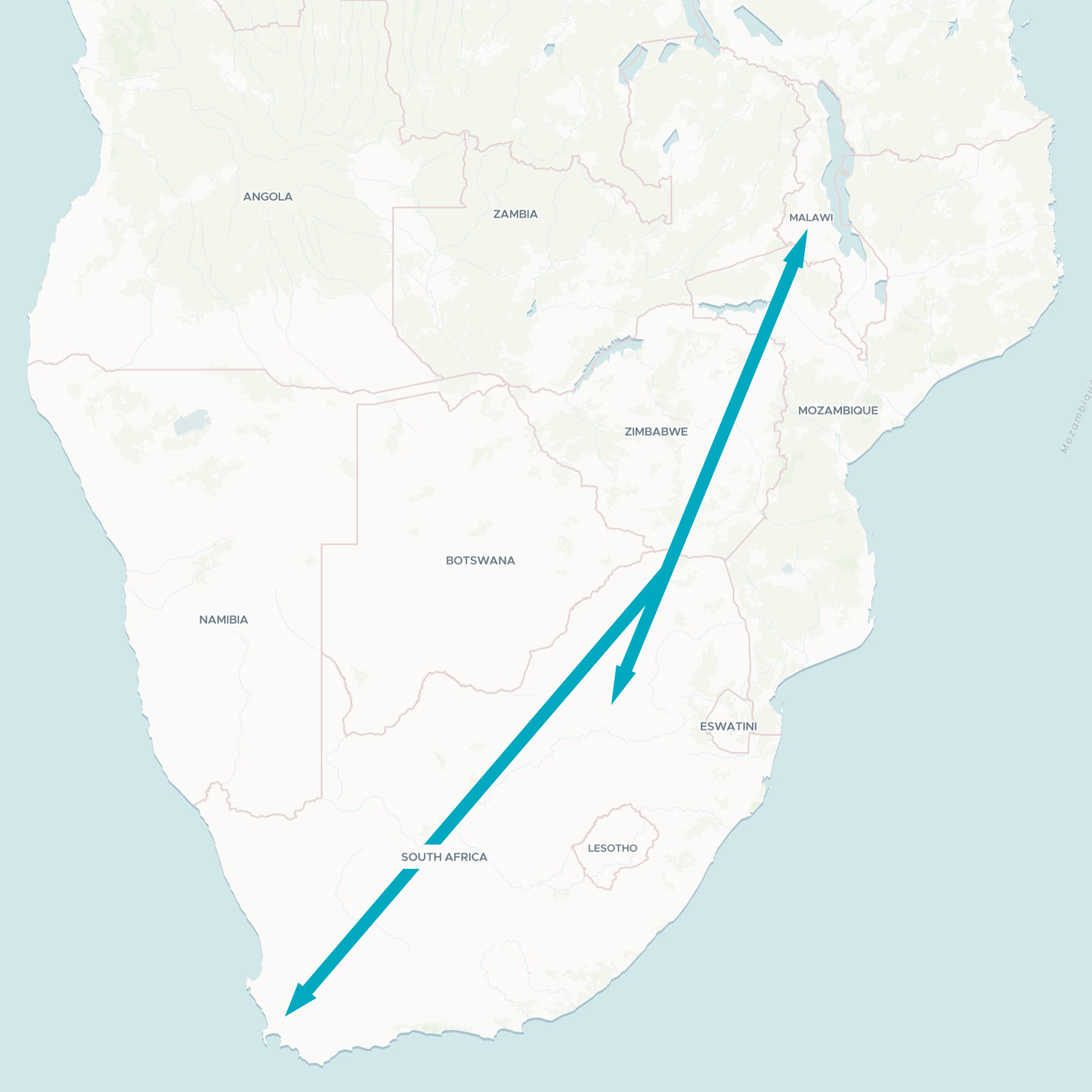
The South Africa–Malawi corridor is a long-standing South–South route rooted in historical labour migration and sustained today by economic and food security pressures. South Africa remains a key destination for Malawians as official estimates suggest just under 200,000 Malawian nationals live there. On the finance side, South Africa is one of four destinations that together account for ~90% of all formal SADC remittances, and Malawi is a top recipient of these South Africa–outbound flows. Malawian migrants commonly use regulated digital/agent networks with research showing Hello Paisa as the most frequently used service among Malawian remitters. Cash pickup, bank deposit, and mobile-wallet payouts (Airtel Money, TNM) are all supported in Malawi. Remittances are critical for household welfare and food security in Malawi, smoothing consumption and supporting small farm investments amid recurrent shocks. Overall, the corridor is significant for both migration and remittances, and offers clear opportunities to align flows with climate adaptation and food-security programmes.
8. South Africa - Mozambique
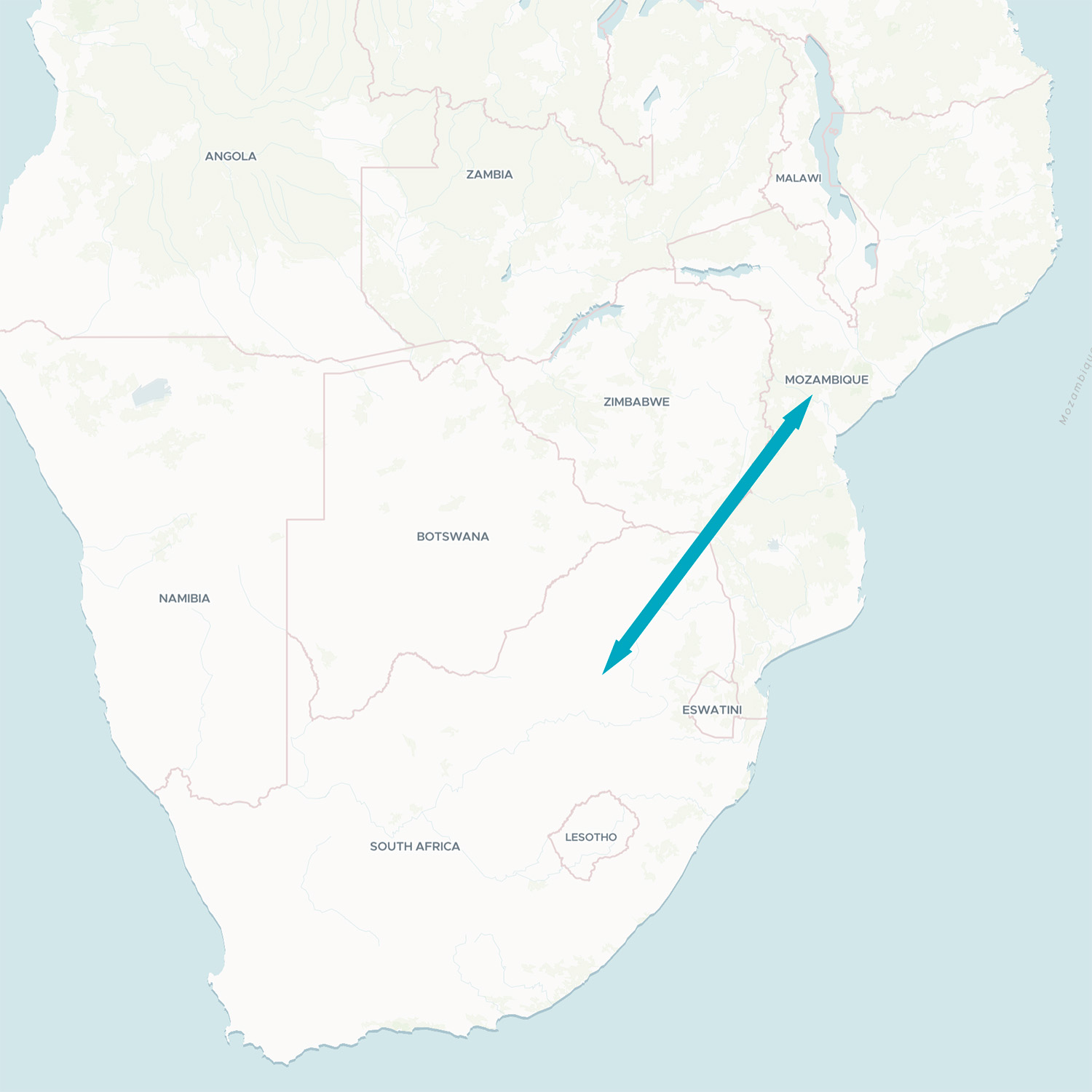
The South Africa–Mozambique corridor is one of Southern Africa’s oldest and most significant regional migration systems, shaped by decades of labour mobility, trade, and family networks. South Africa hosts close to one million Mozambicans, many of whom work in mining, agriculture, and informal urban economies. Mozambique ranks among the top four destinations for South African remittance outflows, receiving around 6% of total SADC formal remittances, though an estimated two-thirds of transfers still occur through informal channels. The corridor’s resilience was demonstrated during the COVID-19 pandemic, when remittance volumes temporarily dropped by over 50% before rapidly recovering. Transfers flow mainly through mobile and cash-based operators such as Mukuru, Hello Paisa, and Western Union, but also through informal cross-border trade, which moves over USD 1 billion in low-value goods annually and often serves as an alternative remittance form. Despite high costs and regulatory barriers, remittances remain vital for household consumption, food security, and livelihoods in rural Southern Mozambique. The corridor’s scale and digital adoption potential present opportunities to align remittance systems with financial inclusion, climate adaptation, and community resilience initiatives across both countries.
Internal Corridors
9. Ghana
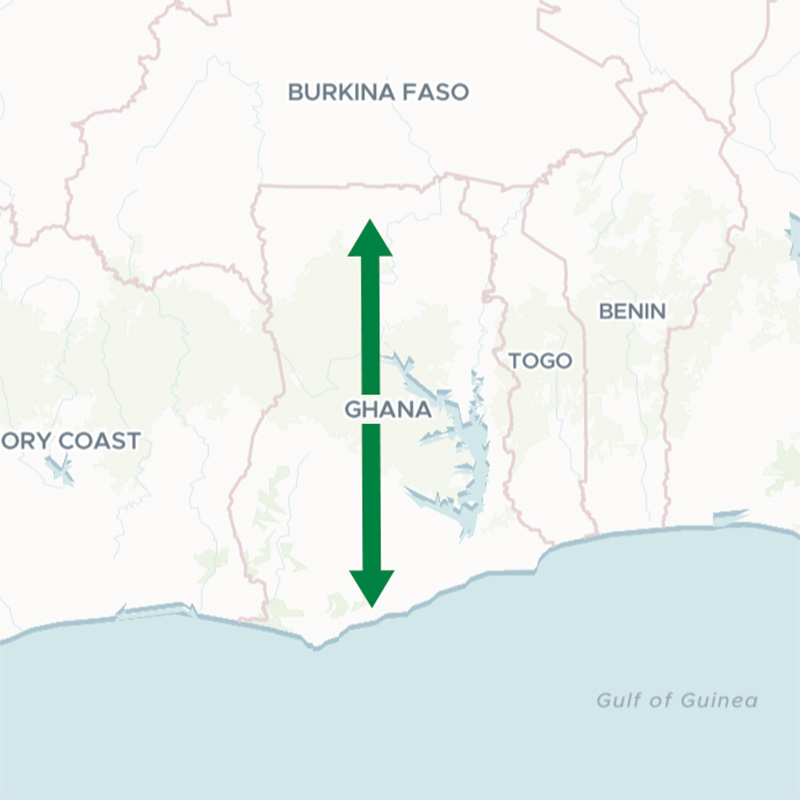
The Ghana internal corridor is characterized by longstanding North–South migration patterns driven by economic and ecological disparities. Historically, people moved from the less endowed northern regions toward the south for opportunities in cocoa farming, gold mining, and urban employment. Recent climate shocks, such as the 2024 drought and large-scale crop failures, have intensified migration as a coping and adaptation strategy among rural households. The 2021 Population and Housing Census shows that 28.9% of Ghana’s population are internal migrants, with 52.7% under 40 years and 52.5% female, highlighting the growing role of young and women-led migration. Accra remains the top destination, with nearly half its residents born outside the Greater Accra Region, reflecting strong urban pull factors. Indicators show widespread mobile money transfers, with 68% of migrants using mobile phones for financial transactions compared to 53% of non-migrants. These transfers support education, housing, and basic consumption, sustaining households in climate-affected regions. Overall, internal migration in Ghana serves as both a livelihood diversification and resilience mechanism, offering opportunities to align mobile remittance systems with climate adaptation and local development strategies.
10. Kenya
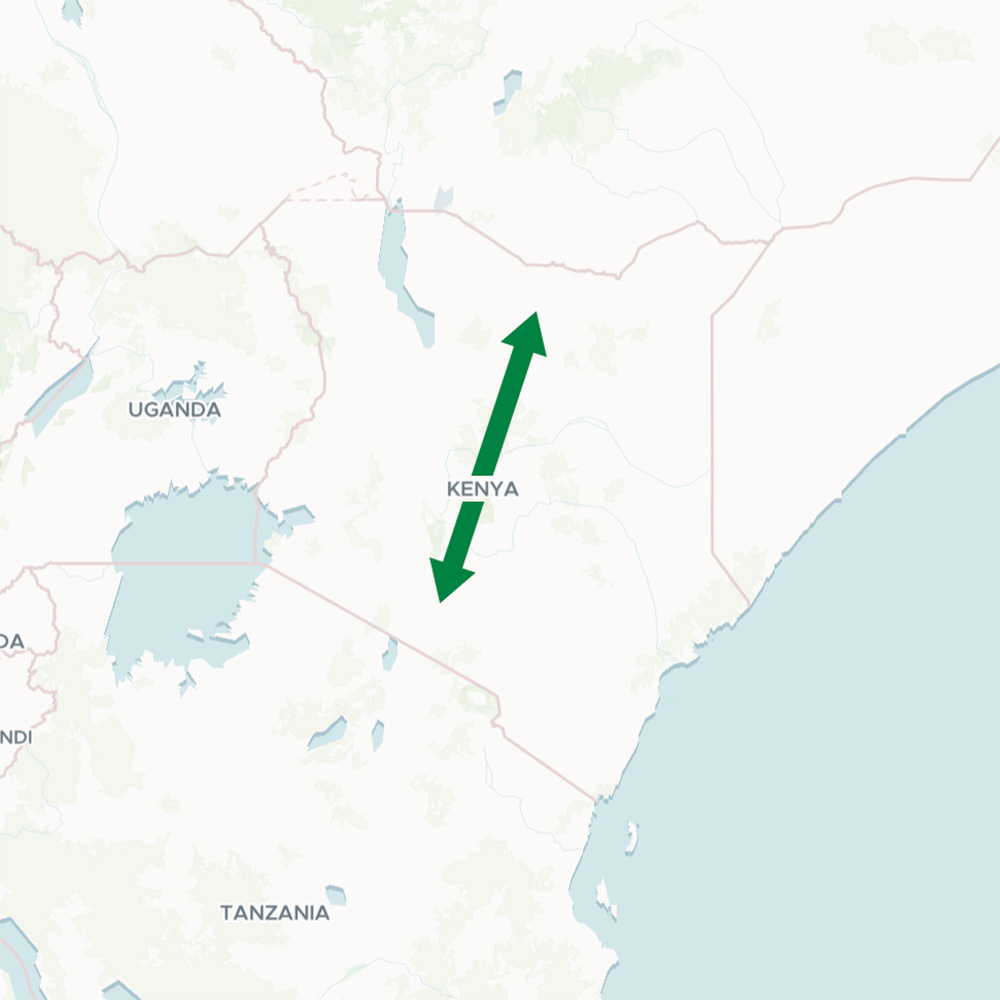
Kenya’s population stands at about 54 million, with a predominantly young demographic driving significant rural–urban migration for jobs, education, and security. Major receiving counties include Nairobi, Kiambu, Nakuru, and Mombasa, reflecting the continued pull of wage labour and urban opportunities. Internal migration contributes to rural–urban linkages through remittances, which have risen sharply from USD 631 million in 2009 to over USD 6 billion in 2023, now making up nearly 5% of GDP. Most transactions occur through informal channels or mobile money platforms such as M-PESA. These funds support education, housing, and household welfare, cushioning families against poverty and unemployment, especially among the youth. At the same time, Kenya’s arid and semi-arid lands, covering 80% of the country, face recurring droughts, food insecurity, and displacement, with internal displacements increasing markedly in recent years. Migration thus functions both as a coping mechanism and adaptation strategy, reinforcing household resilience while straining urban infrastructure and rural labour supply. Strengthening financial inclusion and linking remittances with climate adaptation and food security programs could make Kenya’s internal migration system a key pillar for sustainable resilience and inclusive climate finance.
11. Namibia
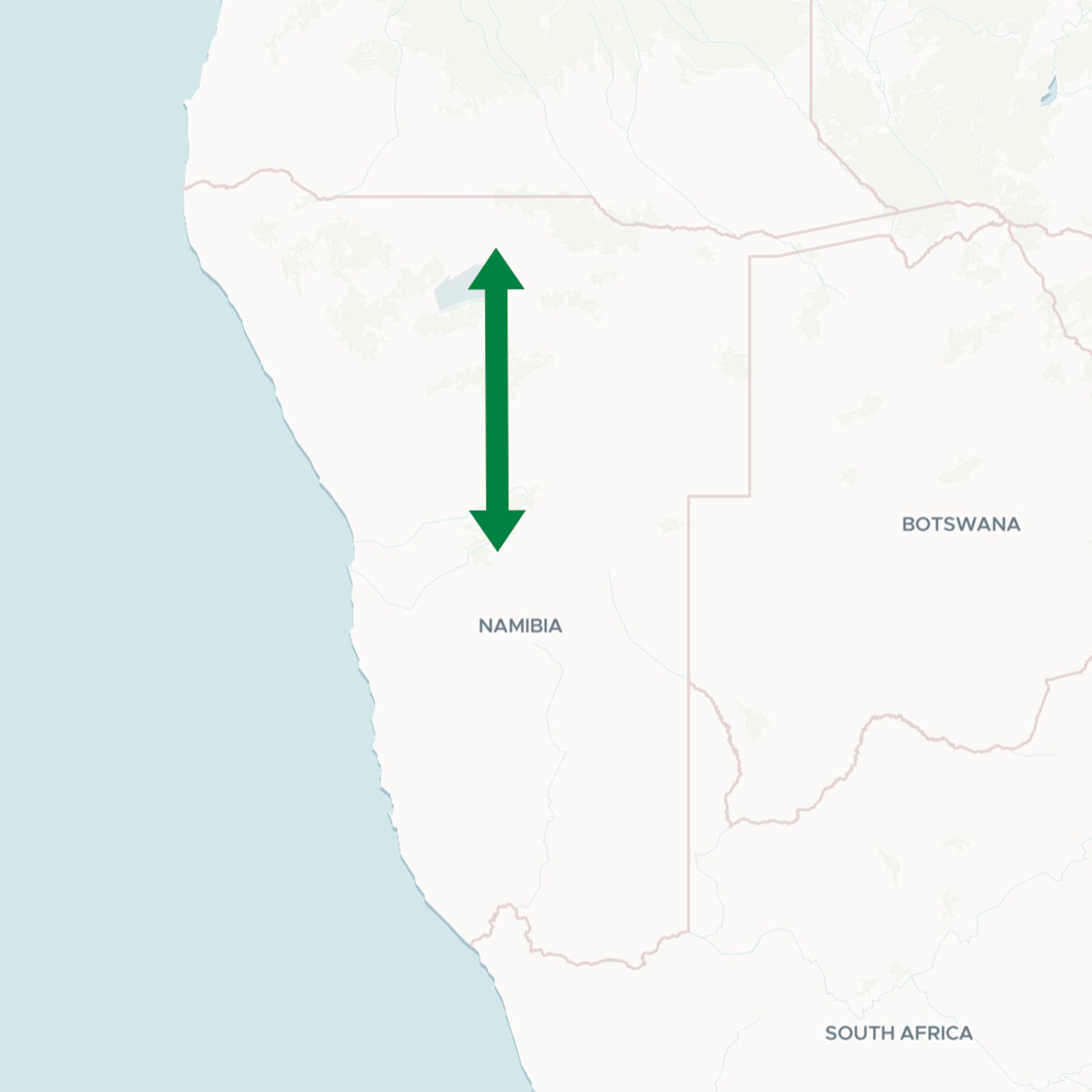
Namibia’s arid climate and steadily rising temperatures have made it one of the world’s most climate-vulnerable countries, ranked 104th out of 181 on the 2020 ND-GAIN Index. Recurrent droughts and floods have severely disrupted agriculture and rangelands, affecting over two-thirds of the population and costing an estimated USD 175 million annually. These climate impacts have accelerated rural-urban migration, especially to Windhoek and Oshakati, as households seek income diversification and security. Yet, migration often coincides with food hardship—over 80% of migrant households are reported to be severely food insecure, compared to 66% among non-migrant households. Food remittances remain a critical coping strategy: up to 72% of poor urban households receive food from rural relatives, with mahangu flour being the most common item. Cash remittances are growing, with increasing numbers of households in the north reporting them as income, averaging N$1,000 per month. Overall, Namibia’s internal corridor demonstrates how migration and remittances serve as vital adaptation mechanisms to climate shocks, reinforcing household survival and underscoring the need to integrate mobility, food security, and climate finance into resilience-building efforts across vulnerable regions.
12. South Africa
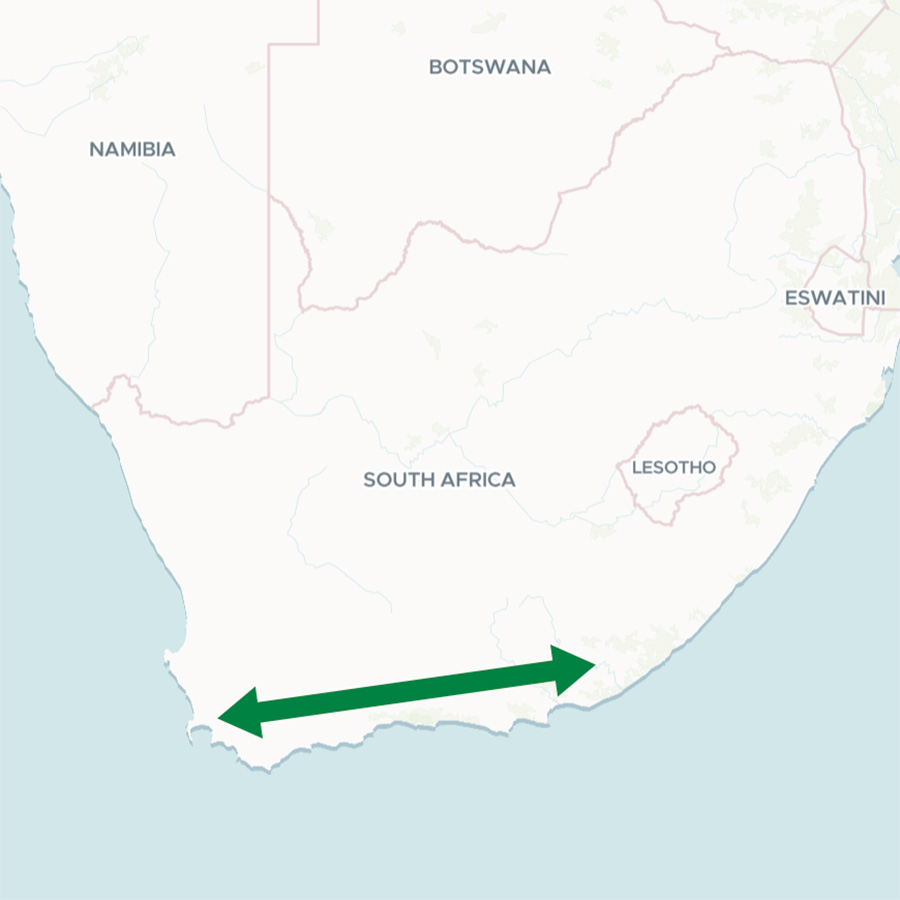
The South Africa internal corridors between the Eastern and Western Cape reflects deep historical and structural transformations in mobility. Apartheid laws tightly controlled movement by Black South Africans. The repeal of these laws in the 1980s and 1990s enabled free movement, triggering a surge in rural–urban migration as people sought jobs and better services in white-dominated urban areas. The Western Cape, and the city of Cape Town, became a major destination for migrant inflows from the Eastern Cape. Internal remittances play a critical socio-economic role in South Africa. Around 31% of adults sent or received money domestically, with 21% remitting monthly, highlighting the significance of internal transfers in supporting household consumption, education, and rural livelihoods. For the migration corridor between the Eastern and Western Cape, a 2022 survey found that 44% of migrants in Cape Town remitted between ZAR 501 and ZAR 1,000 per month to their families in the Eastern Cape. Almost 60% of migrants in the Western Cape used formal banking channels to send money home, while only about 10% relied on informal methods of transfer, and the use of digital platforms remained limited. Overall, this internal corridor demonstrates how migration and remittances function as key mechanisms for redistributing income and reducing poverty, while offering potential pathways to integrate remittance systems into climate adaptation and food security frameworks, especially in regions still affected by inequality and environmental stress.
13. Zimbabwe
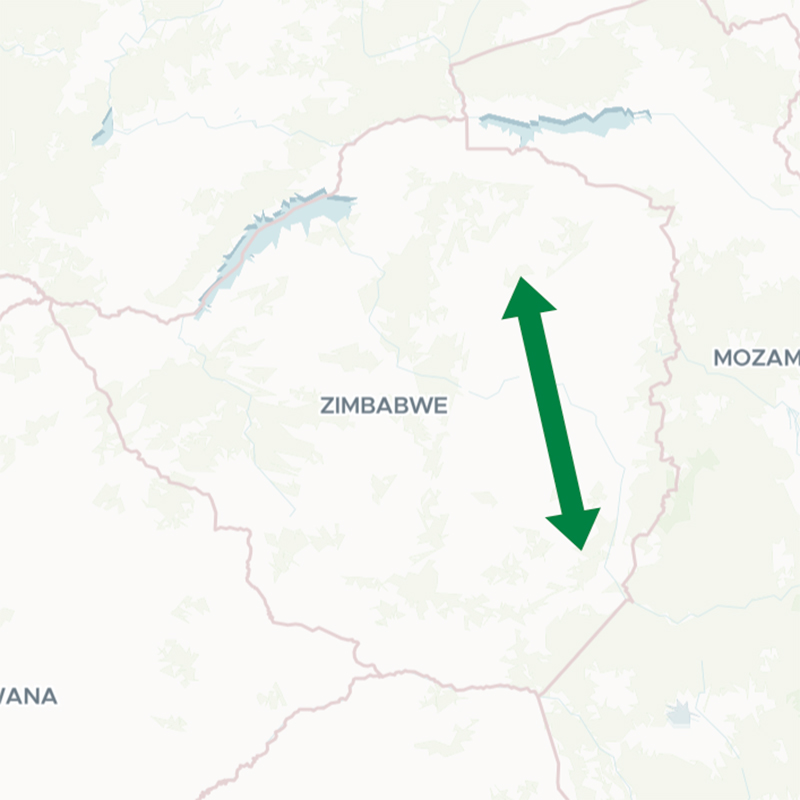
Internal migration in Zimbabwe mirrors the racialised spatial divisions established under settler colonialism, with circular movement between rural areas and urban centres such as Harare increasingly common. In recent years, climate-induced mobility has emerged as a major driver of more permanent internal displacement and relocation. Extreme weather events, particularly Cyclone Idai in 2019 that displaced over 50,000 people in Manicaland and Masvingo provinces, recurring droughts, declining agricultural productivity, and food insecurity are prompting longer-term population shifts across agro-ecological zones. From April 2021 to April 2022, about 86,000 people migrated into Harare, alongside a growing dispersion toward secondary cities. Internal migration is also intertwined with cross-border dynamics, particularly through Beitbridge, Zimbabwe’s busiest gateway to South Africa. Cities such as Johannesburg and Cape Town are major destinations for internally displaced persons and job-seeking migrants affected by environmental and economic shocks. Overall, the Zimbabwe internal corridor reveals the complex interaction between historical inequalities, climate pressures, and livelihood strategies, demanding integrated migration, remittance, and climate adaptation policies to strengthen household and community resilience.