
This book offers a comprehensive exploration of the multifaceted experiences of Indian migrants in the United States, weaving together narratives of ambition, resilience, and struggle. This volume delves into diverse dimensions of migration, from undocumented immigrants navigating precarious circumstances to high-skilled professionals balancing economic security with political uncertainty. It highlights critical themes such as the challenges faced by dependent visa holders, the nursing shortages in Massachusetts, and the evolving landscape of student migration post-COVID-19. Through rigorous qualitative and quantitative analyses, the book examines migration as a spatial, political, and transformative process, while also addressing broader issues like caste discrimination, climate resilience, and the socioeconomic impacts of remittances. By centering the voices of migrants, adoptees, and marginalized communities, this volume provides a nuanced understanding of migration’s costs, benefits, and implications for both home and host countries. The volume will be of great interest to scholars and researchers of migration studies, diaspora studies, sociology, and public policy, as well as practitioners and policymakers seeking to understand the complexities of Indian migration and its global impact.
This book examines the large-scale return migration of South and Southeast Asian workers triggered by the COVID-19 pandemic, exploring its causes, consequences, challenges, and policy responses.
In the wake of the COVID-19 pandemic, a global phenomenon emerged - the mass repatriation of migrant workers. This book offers a meticulous examination of this unprecedented migration reversal in South and Southeast Asia. Through the contributions of researchers spanning multiple geographies in prominent corridors of return, the book dissects the motivations behind this large-scale exodus, encompassing lost livelihoods and societal anxieties. Further, the book delves into the multifaceted challenges return migrants face, including the reintegration into their home economies and the arduous struggle for re-employment. The analysis also extends beyond individual experiences by meticulously exploring the broader socioeconomic repercussions on sending countries, along with a critical evaluation of government policies designed to facilitate the reintegration of this displaced population.
Drawing upon diverse academic perspectives, this comprehensive volume serves as a vital resource for scholars and policymakers alike. It illuminates the pandemic's profound social and economic consequences, fostering a deeper understanding of migration patterns and the future of work in the post-COVID era. This book was originally published as a special issue of the Journal of Ethnic and Migration Studies.
This book, with articles by leading experts and researchers, explores the ongoing concerns of labor migration in India in the wake of the COVID-19 pandemic. It studies various aspects such as:
Drawing on integrative frameworks that combine primary research and secondary sources from a variety of disciplines, this book will be of great interest to scholars and researchers of demography, economics, development studies, public policy, sociology, and geography.
South Asia Migration Report 2024 documents key themes of remittances, resilience, and rehabilitation from the region.
This volume:
This book will be indispensable for scholars and researchers of economics, development studies, migration and diaspora studies, gender studies, labour studies and sociology. It will also be useful to policymakers, think tanks and government institutions working in the area.
This Handbook is a charting exercise to determine contemporary patterns of Indian migration to Southeast Asia. It will determine two waves/sectors of the Indian migration process to Southeast Asia, high skilled migration and semi-skilled to low skilled migration. However, such a research project is not complete without understanding the context of social and political dilemmas of Indian communities in Southeast Asia as well as the interstitial spaces some Indian migrants or migrant communities might fall through as stateless Indians or Indian communities. The Handbook is premised largely on Indian-ASEAN, twenty-five years of partnering relations in diplomacy, politics, economy, people to people exchange, human capital development and exchange as well as coordinated infrastructural development. It reinforces the much-discussed ‘Look East’ and current ‘Act East’ initiatives of the Indian government, highlighting cooperation with the Southeast Asian and East Asian economies, as some political perspectives suggest, to counterbalance China’s economic influence in the region.
This book is the result of a study conducted during the first year of the MiFOOD Ecuador project. It focuses on the food experiences of Venezuelan refugees and migrants living in Quito who faced the combined effects of the crisis in their country of origin, structural barriers in the host country, and the COVID-19 pandemic, which deepened and exacerbated the conditions of social exclusion, precariousness, and food insecurity in which they already lived. Added to this was the dependence on informal networks or humanitarian assistance to cope with limited access to formal employment and public services.
This incisive Handbook explores the multifaceted impact of the COVID-19 pandemic on migrant populations such as international students, refugees, undocumented migrants and informal urban workers. It examines how migration and urbanization have been reshaped by the pandemic and emphasizes the pivotal role of governments and cities in crisis management.
Expert authors discuss how the pandemic has disproportionately affected migrant communities, particularly those in densely populated urban areas, by exacerbating existing social and economic inequalities and obstructing access to basic amenities. They analyze detailed case studies on different global responses to reduced mobility, such as the effect of containment measures on Venezuelan migrants in urban Ecuador and the impact of the pandemic on internal migration in Iran. This Handbook demonstrates the importance of resilience and preparedness in urban governance, advocating for proactive policies to implement public health measures, collaborate with international organizations in assisting migrant populations and deal with potential future crises.
Students and scholars of regional and urban economics, migration and sustainable cities and communities will benefit from this highly informative Handbook. It is also a crucial resource for academics studying health policy and economics, as well as practitioners and policymakers in migration, urbanization and crisis management.
This open access book offers a comprehensive understanding of South-South migration. It explores crucial migration themes such as migrant integration in urban areas, migration and rural transformation, urban migration policy environment, migration corridors, and migrant precarity and survival, especially food security. It features contributions from eminent scholars in the Global South, namely, Africa, Asia, Latin America & Caribbean and the Middle East. Chapters in the book present theoretical perspectives and practical case studies building on the results of detailed surveys, in-depth interviews, field observations and other materials. The book highlights new findings and research outputs from recent and ongoing collaborative projects between multiple researchers from the Global South and North. The book is intended for researchers, graduate students and teachers of geography, social policy, refugees and migration studies, history, international development and urban studies.
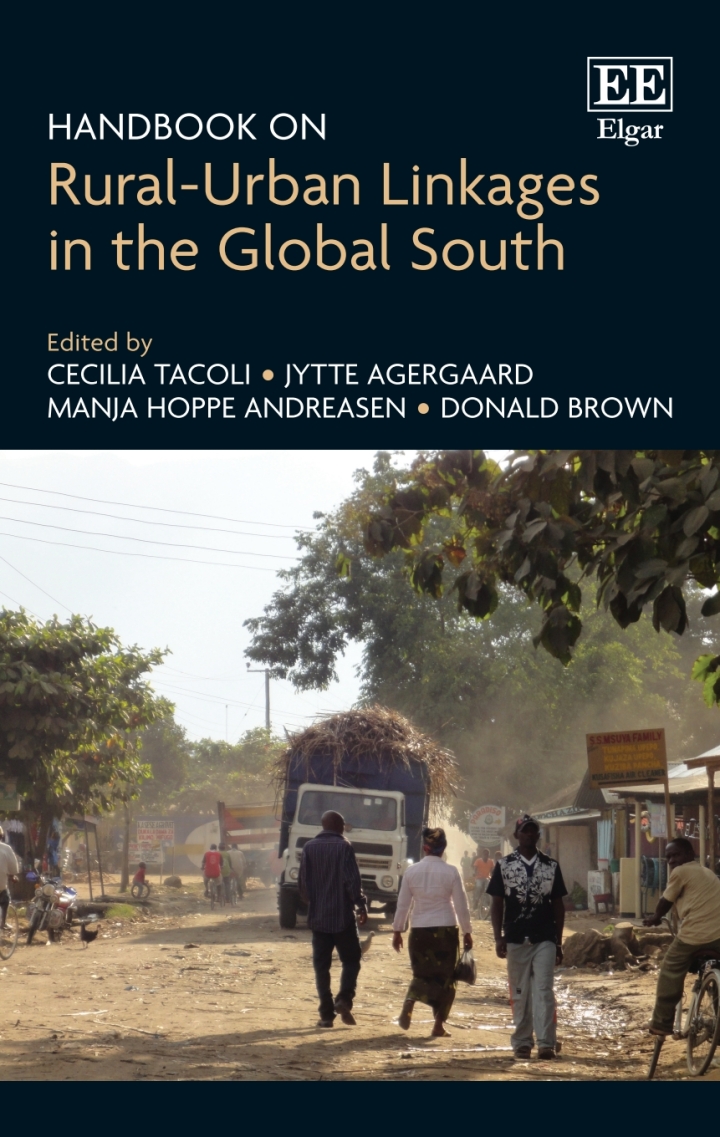
This Handbook offers a comprehensive review of how, in rapidly urbanizing low- and middle-income countries, the links between rural and urban areas, people and enterprises are becoming increasingly intense and complex. With a focus on how rural–urban linkages are being shaped by the intersection of the local and the global, this Handbook illustrates how and where locally specific geographic, socio-economic and political contexts interact with global dynamics. Focussing on how planning for socially and environmentally just urban transitions requires a better understanding of changing rural livelihoods, the Handbook explores: what drives migration and mobility; how emerging small towns and peri-urban areas develop, and how demand for food and natural resources evolves with urbanization. With chapters written by a diverse array of researchers, as well as practitioners in the field, this Handbook offers a wide range of perspectives on the topic. The Handbook on Rural-Urban Linkages in the Global South will be of particular interest to academics specializing in human geography, development economics, development studies and sociology. Development practitioners will also benefit from a better understanding of how different contexts shape diverse trajectories.
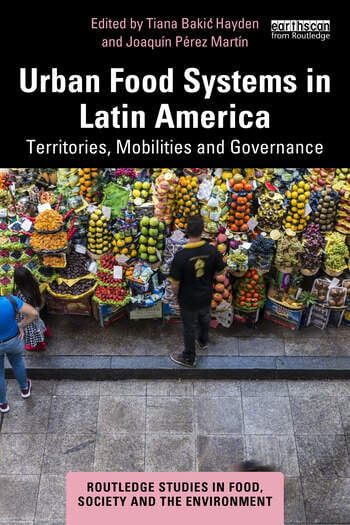
Drawing on a range of case studies from across Latin America, this book highlights the ways that urbanization shapes the food systems that feed this region’s cities, approaching the problem of food in cities as a particularly urban problem.
Latin America is the most urbanized area in the world, with nearly eighty percent of the population living in cities, where rates of food and nutritional insecurity are persistently high, and where the social and spatial organization is characterized by inequality and segregation. The broader questions addressed in this volume are: How do the specific processes and dynamics of Latin American urbanization influence or shape food systems? How can urban food systems develop forms of governance that supports food security and sustainability? After a general introduction, this volume is organized in three main sections: territories, mobilities, and governance. The chapters consider how specific elements such as urban planning, zoning, migration, gentrification, informal settlements, logistics, retailers, wholesale markets and street vendors, among others, contribute to shaping how food is distributed, sold and bought in cities. Drawing on studies and theoretical approaches written by scholars and practitioners from Argentina, Brazil, Chile, Ecuador, and Mexico, this book provides a Latin American perspective on global discussions surrounding the role of cities in ensuring food access to urban populations.
This volume will be of great interest to students, scholars and policymakers interested in food systems, food studies, urban planning, sustainable urban development and Latin American studies.
This dynamic Companion explores the connections - and disconnections - between migration and sustainable development as articulated by the UN’s Agenda 2030 and Sustainable Development Goals (SDGs). Providing a critical appraisal of Agenda 2030, it examines the extent to which the SDGs encompass migration and migrant-related experiences within the context of the pledge to ‘leave no-one behind’.
Presenting intersectional approaches alongside nuanced understandings of crisis and climate change induced mobility, this Companion interrogates the complex linkages and intersections between sustainable development and contemporary migration. Chapters assess the importance of the policy and governance of migration and the SDGs across local, regional, and global scales, drawing on examples from diverse sectors, geographies, and migration corridors. The Companion provides a comprehensive analysis of the importance of inserting migration into SDG debates on a wide range of issues, including poverty and inequality, climate change and food insecurity, education, labour rights, the migrant right to vote, and diaspora finance.
This insightful Companion will prove an essential resource to postgraduate students and scholars of development studies, migration studies, human geography, education, and international relations. Its substantive focus on the core development agenda will also benefit policymakers invested in the implementation of the SDGs.
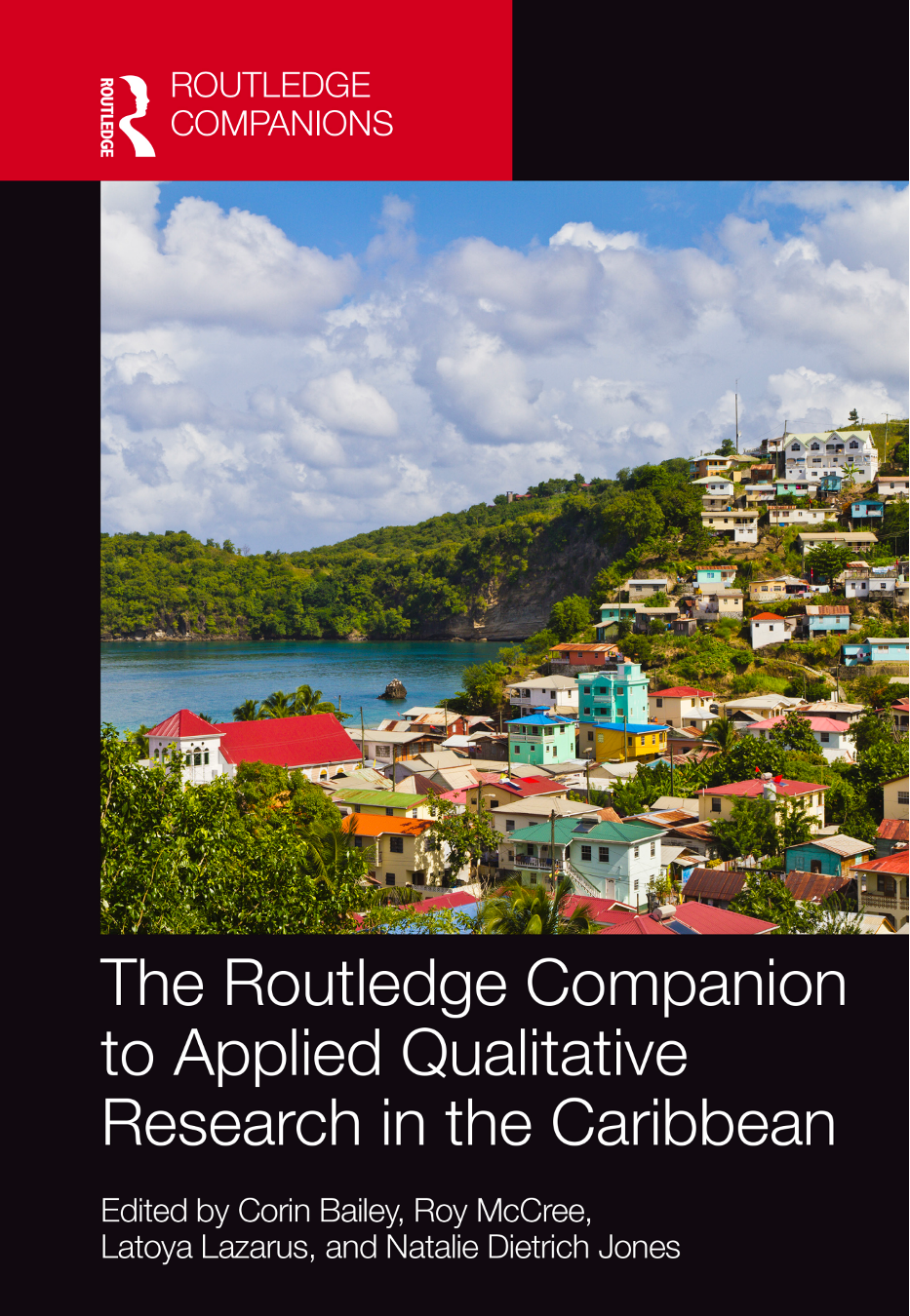
This cutting-edge book provides a comprehensive examination of applied qualitative research in the Caribbean. It highlights the methodological diversity of qualitative research by drawing on various approaches to the study of Caribbean society, addressing the lack of published qualitative research on the region.
Featuring 17 chapters, the book covers five key areas, namely Overview and Introduction; Gender, Crime, and Violence; Gender and Intimate Partner Violence; Health, Management, and Public Policy; and Migration and Tourism. Throughout the course of the book, the chapters explore how different kinds of qualitative research can be used to inform public policy and help deal with a myriad of socioeconomic problems that affect Caribbean people. The book further uses distinct approaches to showcase a diverse selection of qualitative research methods, such as autoethnography, life history, narrative enquiry, participants’ observation, grounded theory, case study, and critical discourse.
The book will be beneficial for students and scholars both from the Caribbean and internationally who are engaged in the conduct of qualitative empirical enquiry. It will further hold appeal to advanced undergraduate level classes and postgraduate students along with scholars in the fields of social sciences and education.
A comprehensive historical, geographic, and thematic analysis of the multidimensional and dynamic migration experience of Ethiopians within and beyond Africa.
Ethiopia is one of the largest African sources of transnational migrants, with an estimated two to three million Ethiopians living outside of the home country. This edited collection provides a critical examination of the temporal, spatial, and thematic dimensions of Ethiopian migration, mapping out its scale, scope, and destinations. The thirteen essays here (plus an introduction and conclusion by the volume's editors) offer a discussion of the state of knowledge and current debates on the diaspora and suggest alternative frameworks for interrogating and understanding the Ethiopian migration and diasporic experiences. Key time periods and literatures are identified to study Ethiopian transnational migration, moving from a survey of patterns in pre-twentieth-century Ethiopia and on to changing trajectories in the imperial period and under succeeding postrevolutionary regimes.
Geographically, the contour of the Ethiopian diaspora is outlined, identifying key destinations and patterns of return. In particular, the volume seeks to correct the traditional tendency to conflate the Ethiopian diaspora with North America and Europe by including areas that have long been marginalized, such as inter-Africa, Asia, and the Middle East. The objective is not to construct a simple cartography of migration but a critical analysis of national and global issues, policies, trends, and processes that shape the roots and routes of the migration dynamic. Thematically, this book aims to challenge the existing boundaries of Ethiopian migration and diaspora studies and raise important concerns about representation, ghettoization, and perpetuation of inequalities.
The 15 international authors of this book live in Brazil, Canada, Cameroon, China, Cuba, European Union, Finland, Gaza Strip, India, Nepal, New Zealand, Nigeria, Sri Lanka, United Kingdom and the United States of America. The authors are linked to the International Science Council’s Urban Health and Wellbeing Programme.
In this book the authors analyse the management of COVID-19, which started in late 2019, in their cities. They explain their city’s political, social and economic context, the dynamics of how the pandemic unfolded, drawing on quantitative and visual data, and their reflections on how it was managed. The book concludes with an analysis of the similarities and differences among COVID-19 outcomes in these cities. Using a systems perspective to learn from these experiences can help all cities to improve the governance of pandemics and be better prepared for likely future ones.
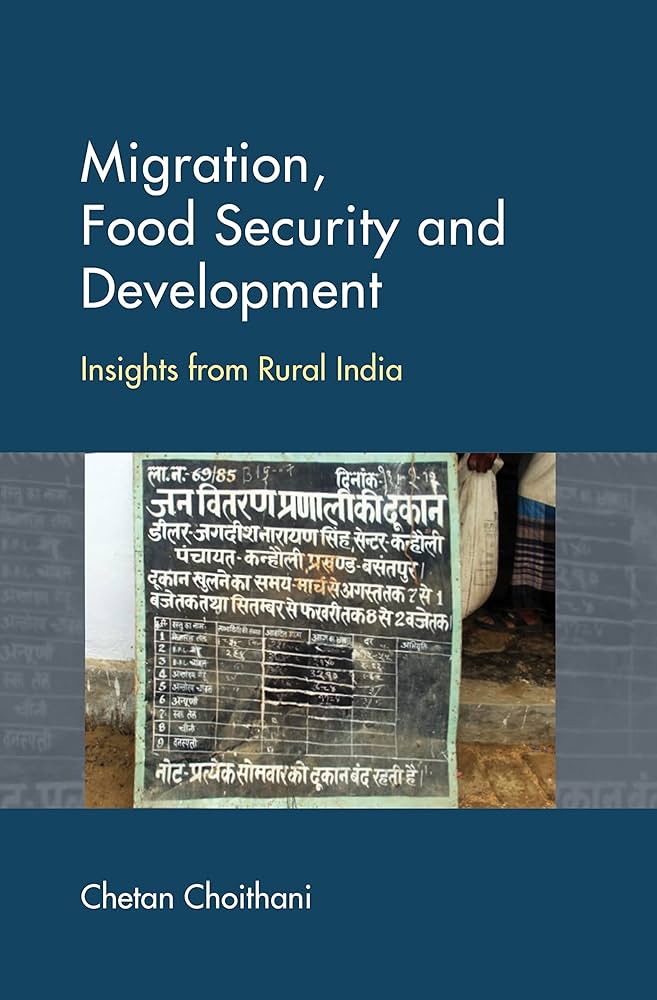
This book examines the role of migration as a livelihood strategy in influencing food access among rural households. Migration forms a key component of livelihoods for an increasing number of rural households in many developing countries. Importantly, there is now a growing consensus among academics and policymakers on the potential positive effects of migration in promoting human development. Concurrently, the significance of food security as an important development objective has grown tremendously, and the Sustainable Development Goals agenda envisages eliminating all forms of malnutrition. However, the academic and policy discussions on these two issues have largely proceeded in silos, with little attention devoted to the relationship they bear with each other. Using the conceptual frameworks of 'entitlements' and 'sustainable livelihoods', this book seeks to fill this gap in the context of India - a country with the most food-insecure people in the world and where migration is integral to rural livelihoods.
Studies of racism against migrants have recently attempted to move away from the presumed dichotomy between 'white' and 'Others', yet the focus of much research remains predominantly trained on 'white' people racializing ‘Others’: whether Black, Asian or Muslim. Attending only to this 'white'/'Other' binary homogenises select groups of non-'white' including Asians. This approach also ignores racialisation and racism by Asians and among Asians. Consequently, there is a dearth of studies on issues of race in non-'white' settings. Through engaging the themes of co-ethnicity, intersectionality and postcoloniality, this book contributes to extant studies of migration in three ways through: (1) examining new geographical sites of racialisation and racism; (2) illuminating racialisation and racism beyond the 'white'/'Others' binary; and (3) introducing new dynamics in racialisation and racist discourses, including intersectional factors such as nationality, class, gender, language, religion, temporal framings and postcoloniality.
Asian Migration and New Racism will be of interest to scholars and advanced students of Sociology, Social and Political Geography, Social Anthropology, History and Politics.
The chapters in this book were originally published as a special issue of Ethnic and Racial Studies.
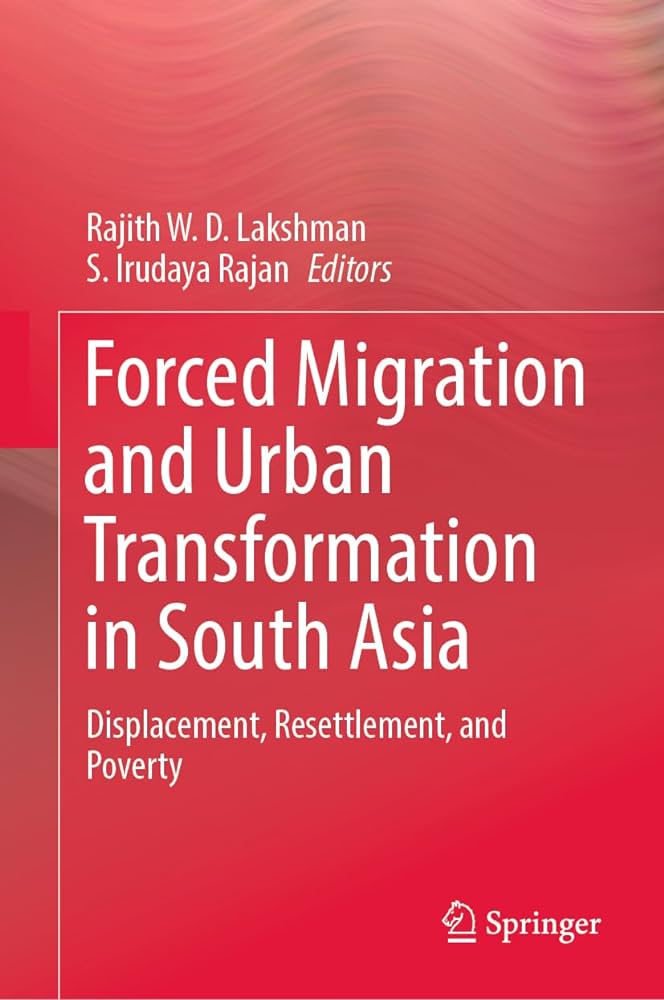
This book discusses the displacement of urban populations, inequality, and poverty in three cities in South Asia—Colombo, Jaffna in Sri Lanka, and Kochi in India. It focuses on the long-term effect resettlement and relocation has on the lives and livelihoods of urban internal displacement of populations (IDPs) primarily from urban poor classes. It also discusses the concerns faced by the displacement in post-war Sri Lanka. It examines the impacts of conflict on poverty and recovery in peri-urban settings. It emphasizes the role of agency of urban IDPs in strengthening their own well-being. It draws attention to how the agency of urban IDPs is compromised by the displacement processes and the weak local level governance structures in the cities. The book is intended for researchers, graduate students, and teachers of Geography, Social Policy, Refugees and Migration Studies, History, International Development, Urban Studies, and South Asian Studies.
Selecting migrants based on skill has become a widely practised migration policy in many countries around the world. Since the late 20th century, research on 'skilled' and 'highly skilled' migration has raised important questions about the value and ethics of skill-based labour mobility. More recent research has begun to question the concept of skill and skill categorisation in both government policy and academic research. Taking the view that 'skills' are socially constructed categories and highly malleable concepts in practice, this edited volume centres the discussion on the following questions: Who are the arbitrators of skill? What constitutes skill? And how is skill constructed in the migration process and in turn, how does skill affect the mobility? The empirical studies in this volume show that diverse actors are involved in the process of identifying, evaluating and shaping migrant skill. The interpretation of migrants' skill is frequently distorted by their ascriptive characteristics such as race, ethnicity, gender and nationality, reflecting the influence of colonial legacy, global inequality as well as social stratification. Finally, this edited volume emphasises the complex, and frequently reciprocal, relationship between skill and mobility. This book will be of interest to researchers and advanced students of Sociology, Human Geography, Politics, Social Anthropology, Economics, and Social Work. It was originally published as a special issue of the Journal of Ethnic and Migration Studies.
This Handbook is a timely and critical intervention into debates on changing family dynamics in the face of globalization, population migration and uneven mobilities. By capturing the diversity of family ‘types’, ‘arrangements’ and ‘strategies’ across a global setting, the volume highlights how migration is inextricably linked to complex familial relationships, often in supportive and nurturing ways, but also violent and oppressive at other times.
Featuring state-of-the-art reviews from leading scholars, the Handbook attends to cross-cutting themes such as gender relations, intergenerational relationships, social inequalities and social mobility. The chapters cover a wide range of subjects, from forced migration and displacement, to expatriatism, labour migration, transnational marriage, education, LGBTQI families, digital technology and mobility regimes.
By highlighting the complexity of the migration-family nexus, this Handbook will be a valuable resource for researchers, scholars and students in the fields of human geography, sociology, anthropology and social policy. Policymakers and practitioners working on family relations and gender policy will also benefit from reading this Handbook.
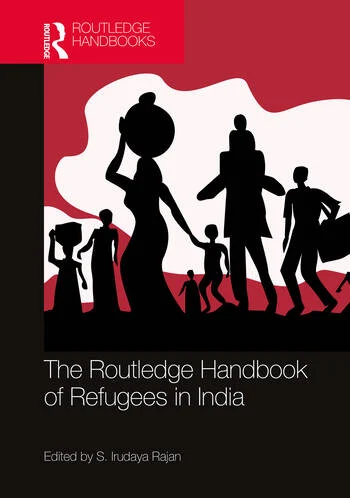
This handbook marks a key intervention in refugee studies in India—home to diverse groups of refugees, including an entire government in exile. It unravels the various socio-economic, political, and cultural dimensions of refugee issues in India.
The volume examines the various legal, political, and policy frameworks for accommodating refugees or asylum seekers in India, including the Citizenship Amendment Act and the National Registry of Citizens. It evaluates the lack of uniformity in the Indian legal and political framework to deal with its refugee population and analyzes the grounds of inclusion or exclusion for different groups. Drawing from the experiences of Jewish, Tibetan, Pakistani, Bangladeshi, Sri Lankan, Afghan, and Rohingya refugees in India, it analyzes debates around marginalization, citizenship, and refugee rights. It also explores the spatial and gendered dimensions of forced migration and the cultural and social lives of displaced communities, including their quest for decent work, education, and health.
The volume will be an indispensable reference for scholars, lawyers, researchers, and students of refugee studies, migration and diaspora studies, public policy, social policy and development studies.
Researching Internal Migration is a comprehensive guide for researchers and professionals to study internal migration in developing and underdeveloped economies.
This book:
• Explains key theoretical concepts related to migration
• Guides students and researchers on how to design surveys and the utility of census data • Unravels the complexities of large data sets and their interpretation
• Includes techniques for indirect measurement
• Presents methodology for estimating remittances at the sub-national and national levels
• Acquaints the impact of migration during emergency situations or pandemics like COVID-19
• Offers perspectives and tools for evaluating the policy impact of migration
Accessibly written, this book will be an essential theoretical and empirical guide for researchers in development studies, public policy, population studies, human geography and migration and diaspora studies.
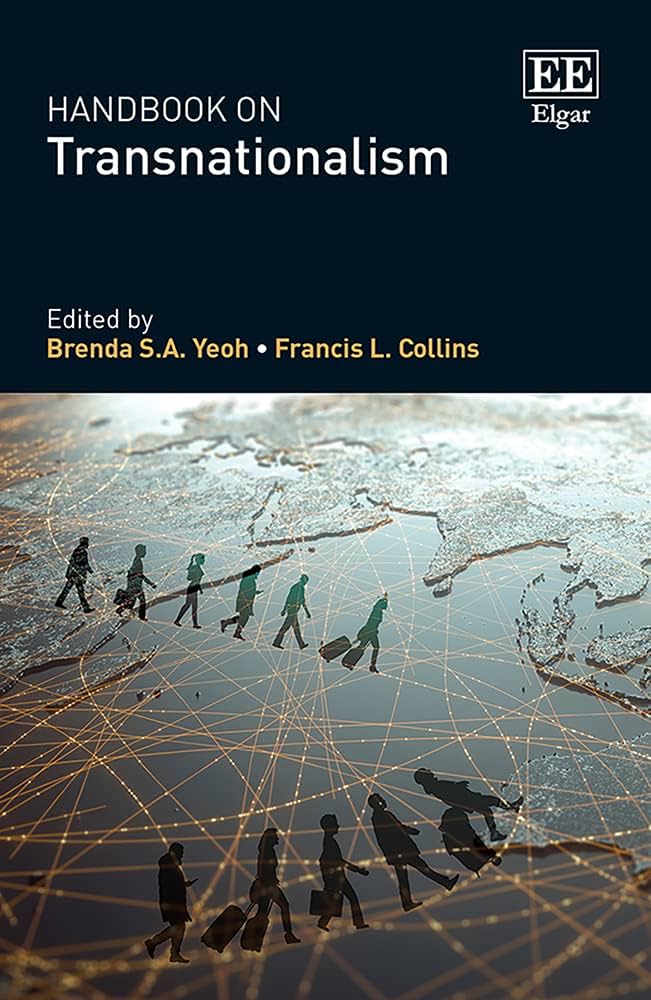
Providing a critical overview of transnationalism as a concept, this Handbook looks at its growing influence in an era of high-speed, globalised interconnectivity. It offers crucial insights on how approaches to transnationalism have altered how we think about social life from the family to the nation-state, whilst also challenging the predominance of methodologically nationalist analyses.
Encompassing research from around the world, leading international researchers examine transnational migration, culture, state practices, organisations and institutions. Chapters draw attention to conceptual concerns around the topic, including the spatiality and temporality of transnationalism, connections to the life course, and the articulation of affect and emotion across borders. The Handbook further explains the transnational dimensions of different forms of migration, including labour migrations and student mobilities, and emphasises why and how transnational networks and circulations matter.
An engaging foundation for students and scholars seeking to enhance their understanding of transnationalism, this Handbook offers agenda-setting arguments that will be beneficial to researchers of migration and mobilities, human geography, sociology, anthropology, international relations and cultural studies. It will also be an interesting read for practitioners working in migration, migrant rights and transnational organising and activism.
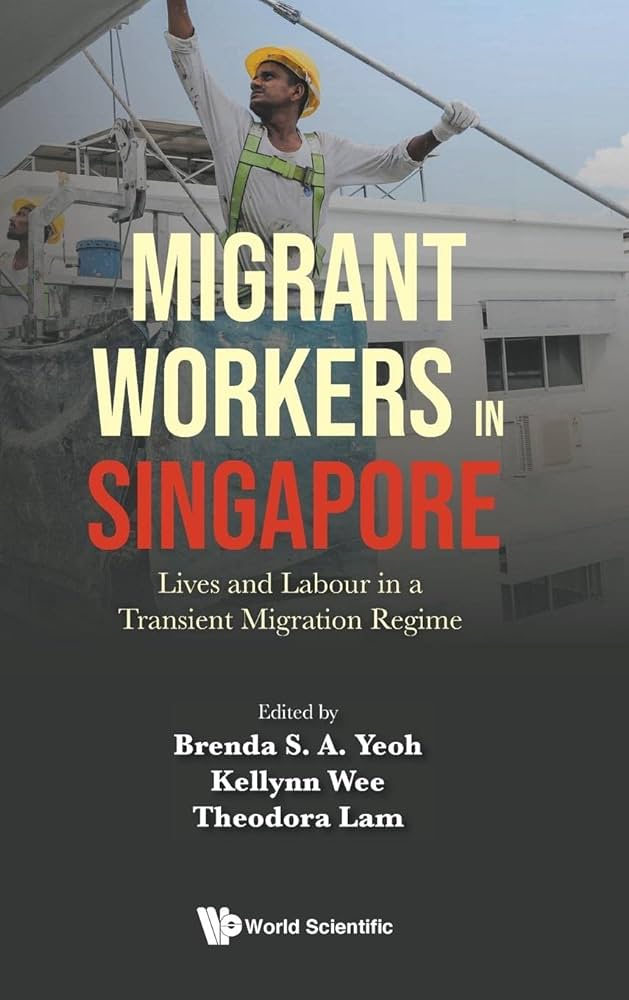
Initially upheld as a bastion of success in curbing the spread of COVID-19, Singapore eventually found itself home to the highest number of coronavirus cases in Southeast Asia. Over 90% of its cases in 2020 occurred among the 300,000 migrant construction workers primarily from Bangladesh, India, and China who live as part of a transient population in this city-state.
This collection looks beyond the immediacy of heightened concerns surrounding the migrant worker population in the time of the COVID-19 crisis. It gives attention to broader questions of migrant lives and labour in a city-state that has thrived on migration since its beginnings as a colonial entrepôt. Serving as a primer for the general and academic reader interested in developing a richer understanding of the structural conditions of migrant construction work, the book draws together key studies on migrant construction work in Singapore.
The chapters in this volume, contributed by a range of academic experts, spotlight the processes of unequal global development, precarious work, and welfare exclusion that have rendered low-waged labour migrants especially vulnerable to the pandemic. They also highlight migrant men's social identities beyond the sphere of work by attending to their experiences and strategies as members of transnational families and social-cultural communities. Accompanying the chapters are short reflections from the authors that not only summarise the findings but also provide updates on the research context in view of the recent situation.
The industrialization of the urban food system, alongside the proliferation of supermarkets, has dramatically transformed the landscape of food accessibility in cities. In many countries, the spatial consolidation of food provisioning has deprived many urban neighbourhoods of easy access to food, particularly foodstuffs integral to a healthy diet. These often socioeconomically disadvantaged urban areas are referred to as “food deserts”. However, studies of urban food deserts in cities of the Global South are sparse, given their complicated urban food systems with the strong presence of informal food economies and diverse food sources. This book draws on empirical studies from South African, Brazilian and Chinese cities to investigate the food desert narrative, the characteristics of urban food environment and the various socioeconomic factors shaping it, as well as the food security and health consequences of urban food deserts. These studies reveal the limitations of applying the food desert concept to cities in the Global South and call for more holistic measurements of urban food insecurity.
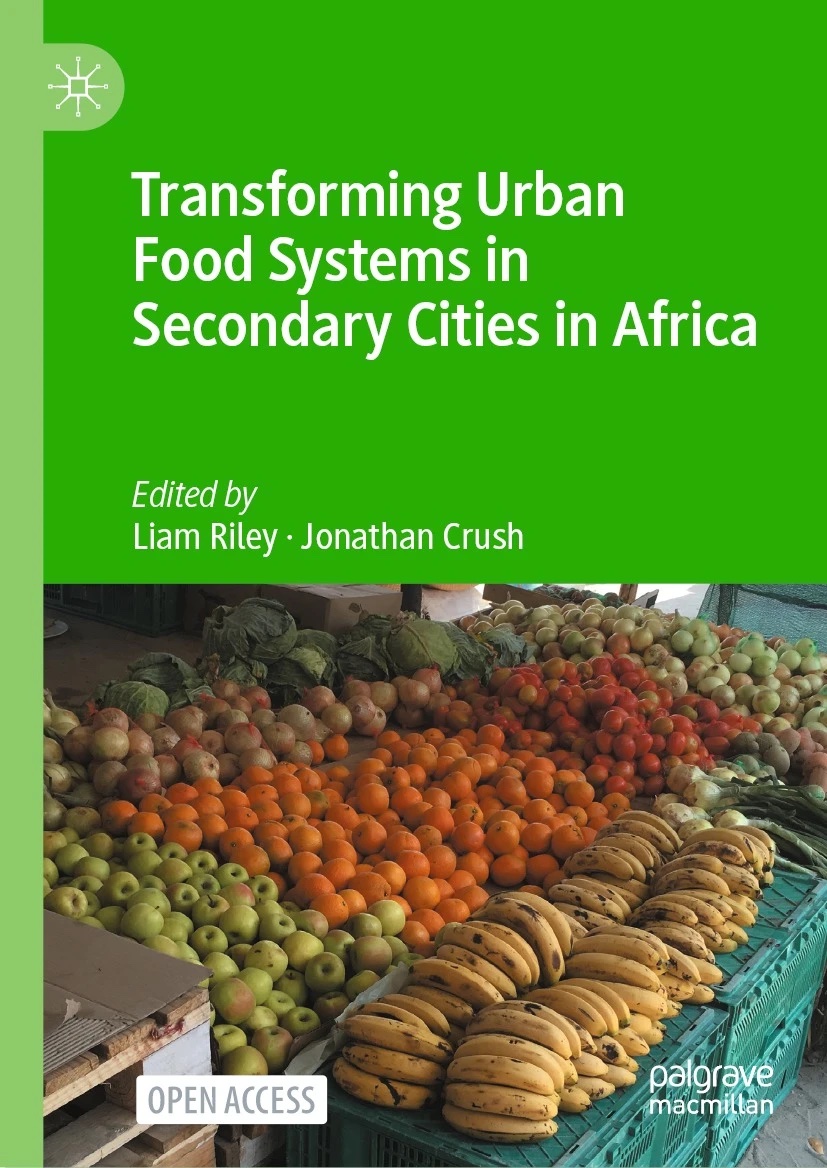
The ways in which the rapid urbanization of the Global South is transforming food systems and food supply chains, and the food security of urban populations is an often neglected topic. This international group of authors addresses this profound transformation from a variety of different perspectives and disciplinary lenses, providing an important corrective to the dominant view that food insecurity is a rural problem requiring increases in agricultural production.