
R2

Labour Migration, Cash Remittances, and Household Food Security in the Ghana-Qatar Corridor

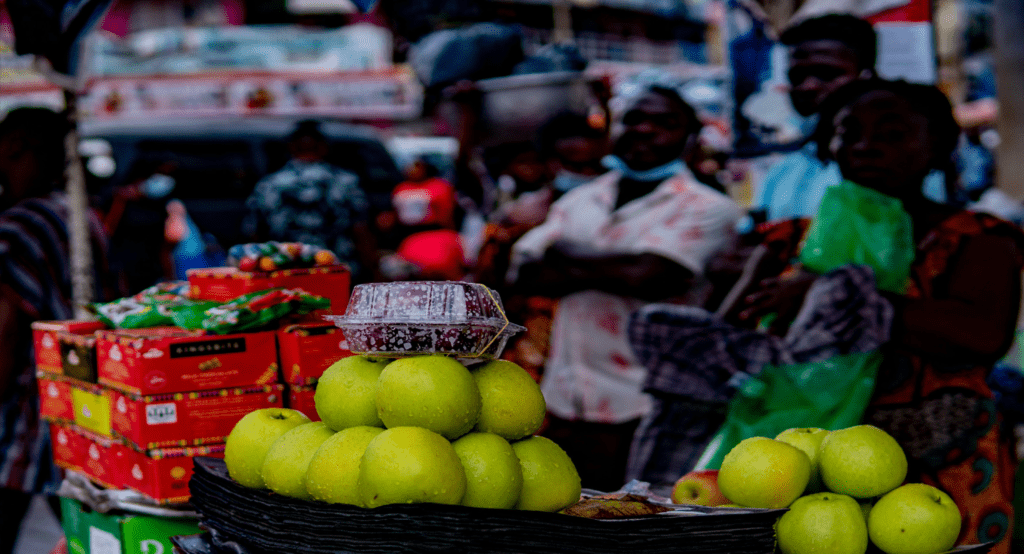
While the relationship between migration and development has been extensively studied, the connection between migration and food security remains underexplored, particularly in the South-South context. This paper examines the linkages between international migration, cash remittances, and household food security in the Ghana–Qatar migration corridor. Quantitative methods, including multinomial regression analysis, were used to assess household […]
Labour Migration, Cash Remittances, and Household Food Security in the Ghana-Qatar Corridor Read More »

Remitting, Resilience, and Climate Adaptation in an African Migration Corridor

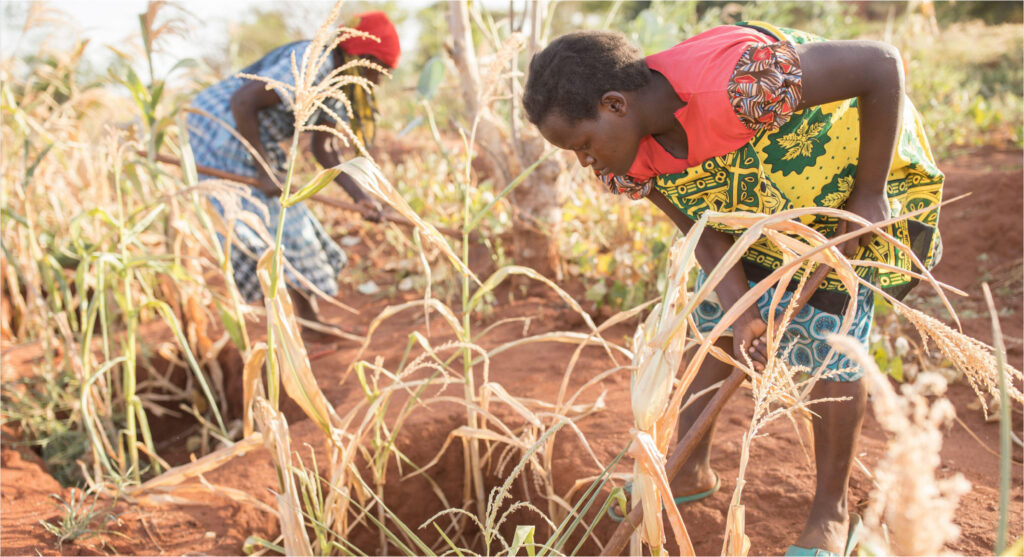
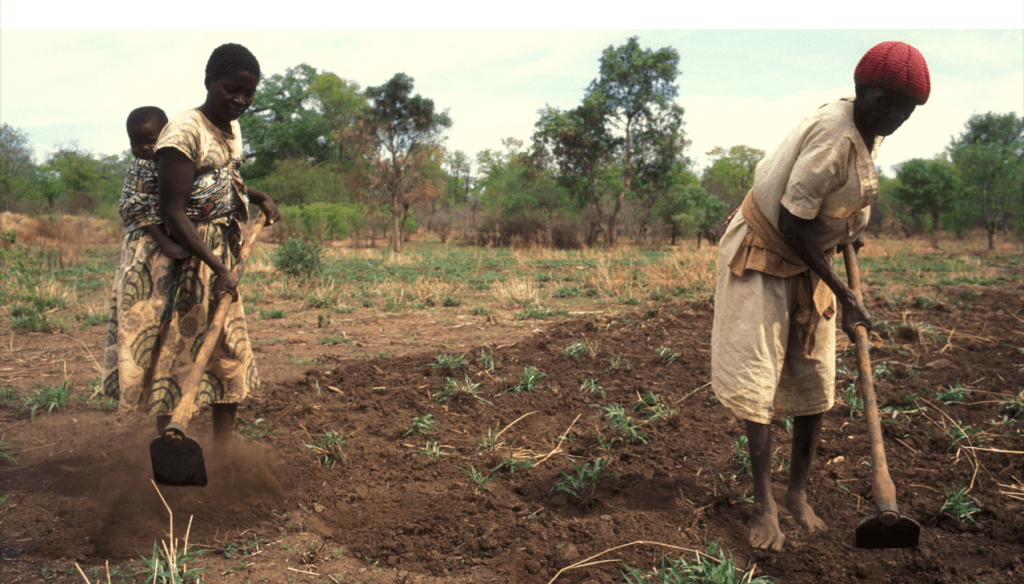
Climate change and crises are exacerbating environmental vulnerabilities across Southern Africa, contributing to population displacement and migration, thereby affecting internal and cross-border migration flows. In this changing landscape, cross-border remittances (cash and in-kind, such as food remittances) are increasingly vital to supporting climate adaptation and resilience. This paper examines the current state of knowledge about

Remitting, Resilience, and Climate Adaptation in an African Migration Corridor Read More »

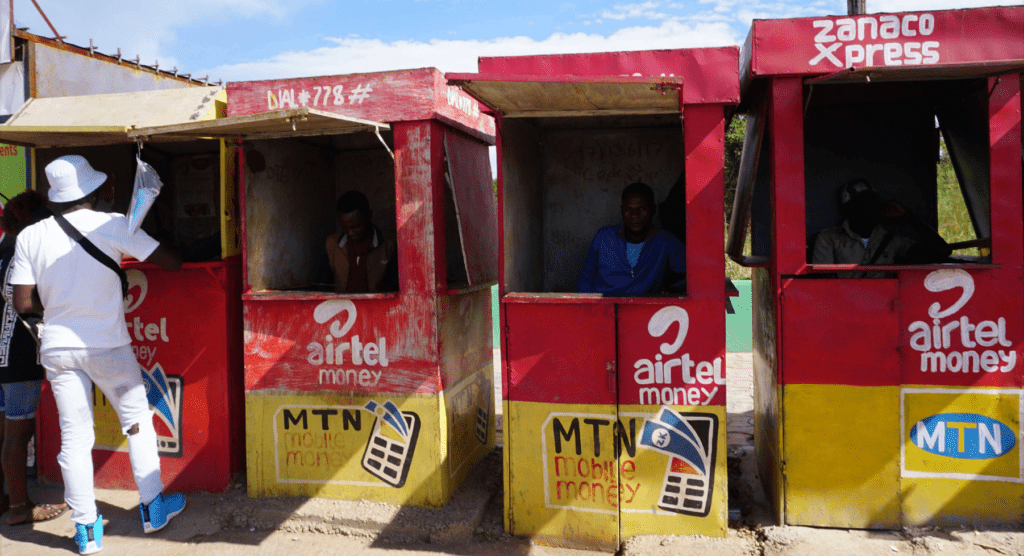
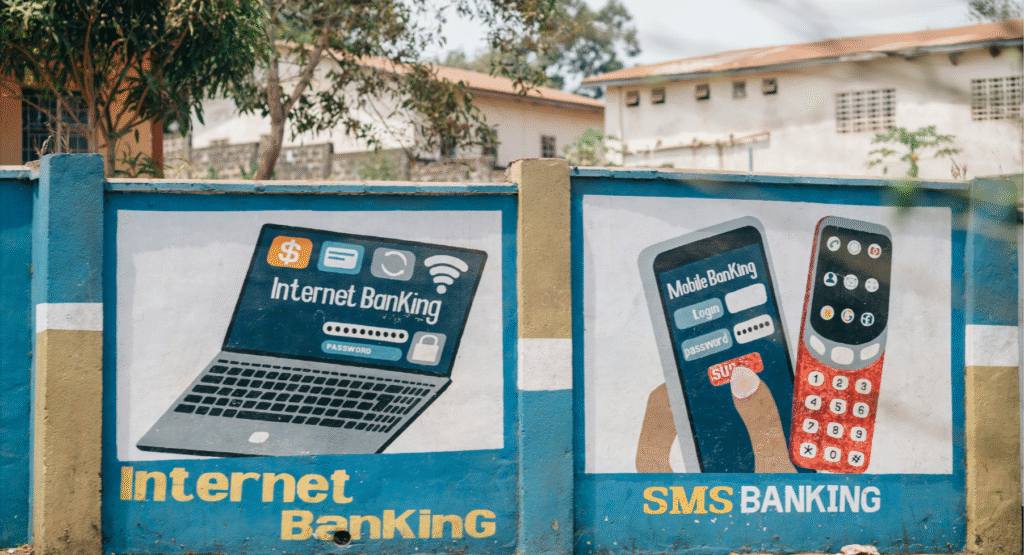
Digital Remittances: A Scoping Review of Emerging Trends and Gaps

Remittance-driven economic development is gaining increased prominence in recipient countries, facilitated by advancements in digital technology. Digital financial technologies are reshaping remittance practices, yet their effectiveness and broader development impacts remain underexamined. This scoping review synthesizes existing literature on digital remittances, delineating central themes, empirical insights, and gaps in trends and development impacts. A comprehensive

Digital Remittances: A Scoping Review of Emerging Trends and Gaps Read More »

A Scoping Review of Climate Change and Internal Migration in Africa

Climate change is influencing many human activities and socioeconomic processes, including migration patterns within countries. Although extensive research exists on internal migration across numerous African contexts, the links between climate change and migration in rural and urban areas have not been thoroughly explored. This scoping review of selected studies examines this relationship throughout the region

A Scoping Review of Climate Change and Internal Migration in Africa Read More »

Managing Displacement Amid Climate Extremes: Lessons from Cyclone Idai, Mozambique

Tropical Cyclone Idai, which struck in March 2019, is one of the most catastrophic climate-related disasters in Southern Africa’s history, particularly affecting Mozambique, Malawi, and Zimbabwe. Across these countries, the cyclone caused widespread economic, environmental, and infrastructural destruction, rapid displacements, and fatalities. Displaced people encountered disproportionate disaster impacts, underscoring the need to mitigate displacement risks

Managing Displacement Amid Climate Extremes: Lessons from Cyclone Idai, Mozambique Read More »

Remittance Biographies, Translocal Households, and Somali Food Security in Nairobi, Kenya

This paper examines the complex dynamics of bi-directional and multi-directional remitting among Somali migrant and refugee households in Eastleigh, Nairobi. Drawing on mixed-methods research conducted in 2022 with 268 survey respondents and 45 in-depth and key informant interviews, the paper explores how Somali households simultaneously receive remittances from relatives in multiple countries while remitting outward

Remittance Biographies, Translocal Households, and Somali Food Security in Nairobi, Kenya Read More »

The Migration-Remittance Dividend: Building Food Security Across the Commonwealth

Migration and remittance processes have a significant impact on socioeconomic development and food security in Commonwealth countries. Although remittances are critical sources of income for migrant-sending households in countries of origin, their effects are shaped by economic arrangements, financial inclusion and policy contexts. Moreover, the linkages between migration, remittances and food security remain largely underexplored.

The Migration-Remittance Dividend: Building Food Security Across the Commonwealth Read More »

Internal Migration, Climate Adaptation, and Food System Resilience in Namibia

As one of sub-Saharan Africa’s most arid countries, Namibia serves as a crucial example for studying the interactions between climate vulnerability, migration, and food systems. This study investigates how internal migration flows to Windhoek and northern towns (Oshakati, Ongwediva, Ondangwa) transform urban food networks while creating new patterns of risk and adaptation. Through household surveys,

Internal Migration, Climate Adaptation, and Food System Resilience in Namibia Read More »

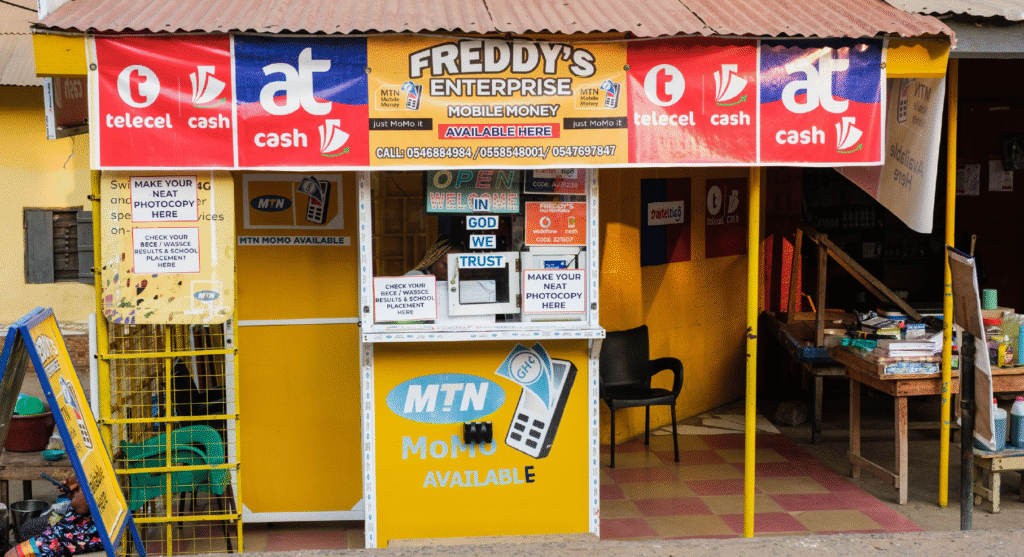
Remittance Practices, Digital Technologies and the Ghana-Canada Migration Corridor

Migrant remittances have been recognized as vital resources for the well-being of recipient households and communities, as well as for sustainable development in the Global South. However, these flows can be impeded by limitations in the infrastructure, financial systems, and regulatory environments of both sending and receiving countries, as exemplified by the high costs associated

Remittance Practices, Digital Technologies and the Ghana-Canada Migration Corridor Read More »

Harnessing Diaspora Finance for Climate Resilience in Africa

As climate change accelerates, the costs of adaptation are rising sharply. This escalation comes at a time when financial inflows to developing countries – such as official development assistance and foreign direct investment – are declining. Meanwhile, the global political climate is becoming unfavourable to sustained climate financing commitments. In this context, the role of

Harnessing Diaspora Finance for Climate Resilience in Africa Read More »

Scroll to Top