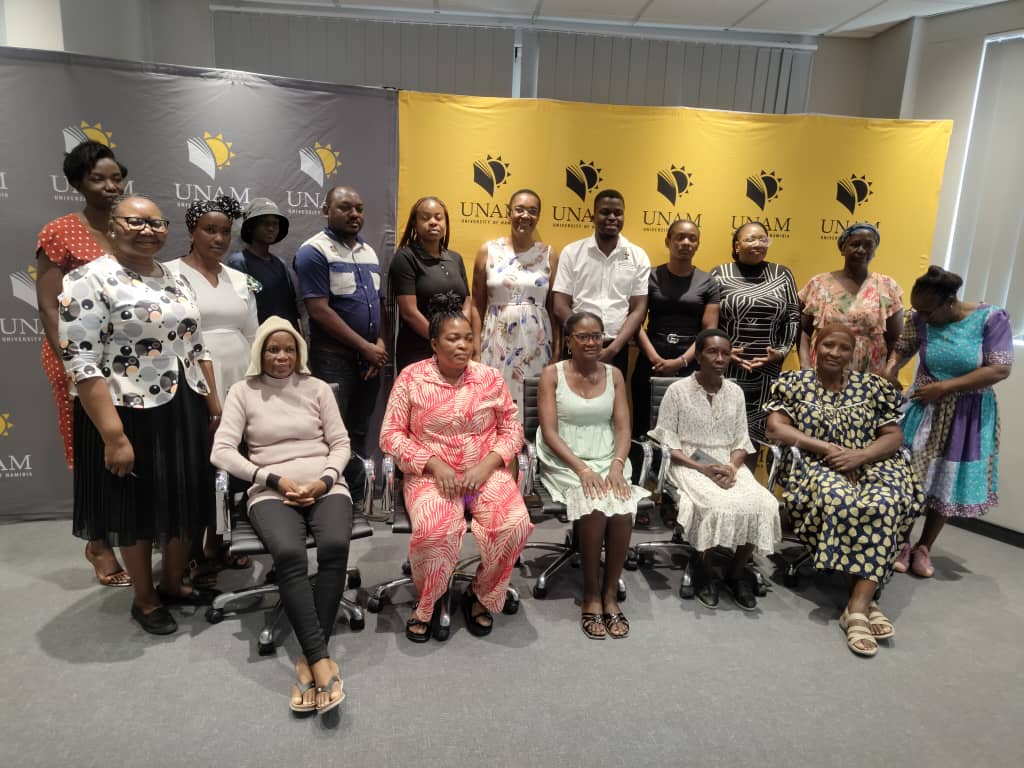
The Women Feeding Cities (WFC) team at the University of Namibia successfully convened a Policy Engagement Workshop on 6th November 2025 at the Jose Eduardo Dos Santos UNAM Campus. The workshop brought together women informal food vendors from Oshakati, Ongwediva, and Ondangwa, along with local town council officials and academic researchers, to validate research findings and collaboratively shape practical recommendations aimed at improving the food-vending environment.
The workshop opened with presentations by Prof. Ndeyapo Nickanor, who highlighted the socio-economic contributions and challenges faced by women vendors, and Dr. Vonai Charamba, who outlined gaps in the current food vendor policy framework. These presentations set the foundation for a constructive dialogue that centred the lived experiences of women traders and the realities of municipal governance.
Vendors shared challenges related to licensing procedures, limited and often inadequate trading spaces, and safety concerns such as harassment and poor lighting. Town council representatives acknowledged these issues and pointed to constraints such as budget limitations and infrastructural deficits, creating a shared understanding of the complexities surrounding informal food trade.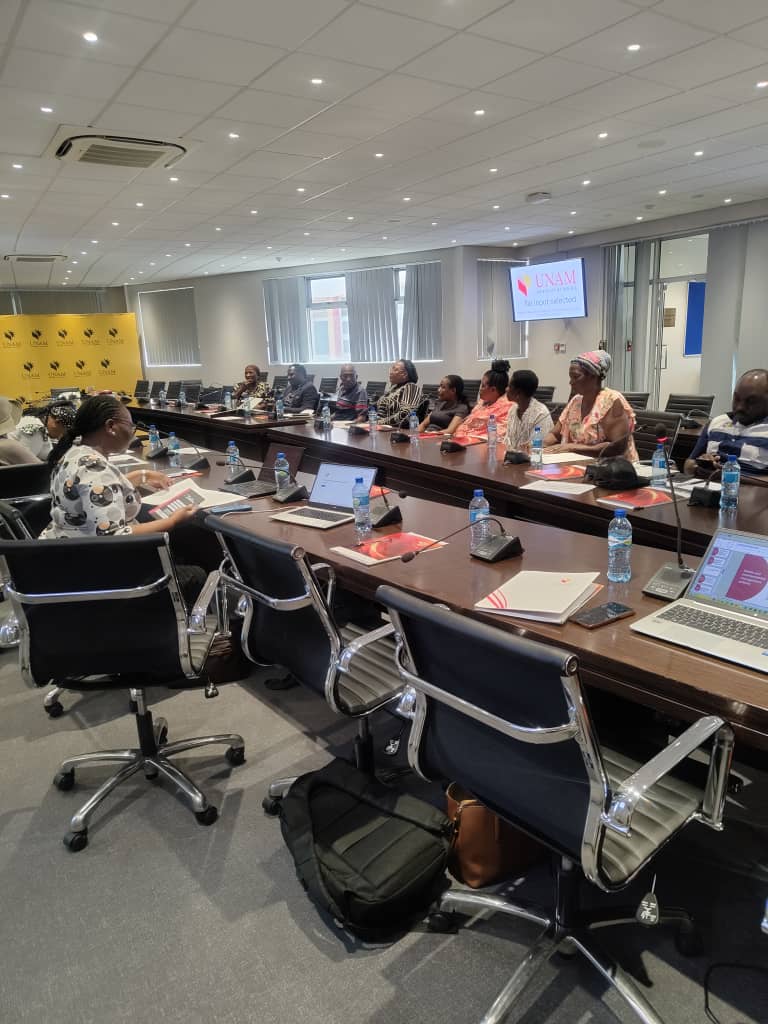
Through a participatory World Café process, facilitated by Prof. Lawrence Kazembe, vendors and officials co-developed concrete proposals focused on licensing, space, and safety. The discussions produced practical recommendations such as simplifying licensing procedures through digital registration, stablishing designated vending zones equipped with essential amenities, co-managing trading spaces through vendor-council committees, installing better lighting and security infrastructure, and strengthening vendor associations to enhance collective advocacy. These recommendations were later refined in a plenary session.
The workshop concluded with a commitment to maintain momentum. Participants agreed to validate the full workshop report, develop a concise policy brief for presentation to town councils, and explore the formation of a small task team composed of vendors, officials, and researchers to help guide implementation of the key recommendations.
Prof. Nickanor emphasized that the day’s discussions mark the beginning of a strengthened partnership dedicated to improving the working conditions and recognition of women food vendors in northern Namibian towns.
The WFC team’s engagement has laid a solid foundation for continued collaboration aimed at creating a more supportive and equitable policy environment for women at the heart of urban food systems. This workshop marked a significant step in fulfilling the WFC project’s core objective of transforming research insights into actionable policy recommendations.
The team’s ongoing work in Oshakati and neighbouring townships is made possible through the generous support of the International Development Research Centre (IDRC), whose funding enables continued collaboration and impact in the region.