
Ecuador
Patterns, Pandemic Challenges and Research Directions: Understanding Household Food Security in Quito
This research brief presents the key findings of a household food security survey conducted in Quito in early 2023. The findings provide valuable insights into how households in Quito experienced food security challenges during and after the pandemic, laying the foundation for further research on post-pandemic recovery in urban settings in Ecuador. This study underscores
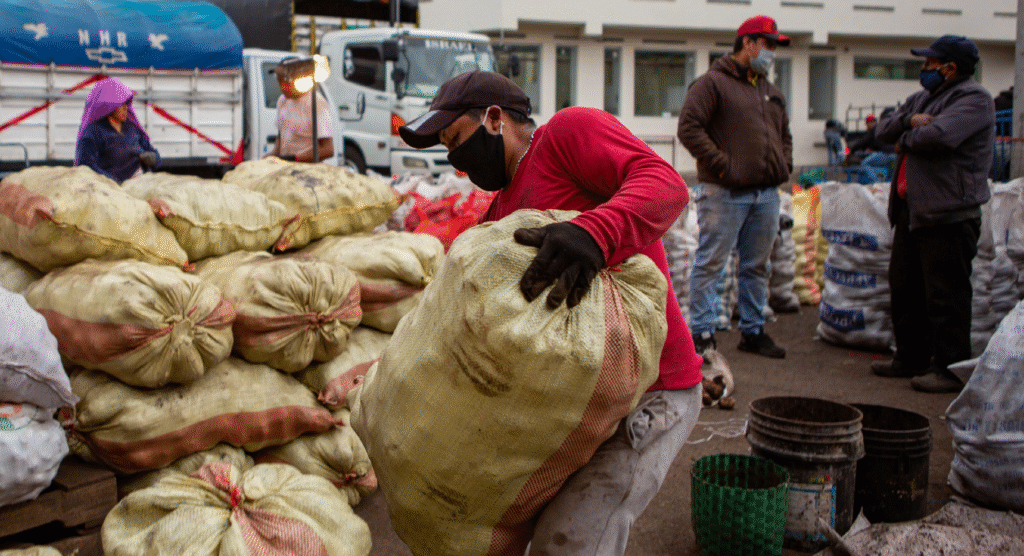
Crisis, Pandemic Precarity and Food Insecurity Among Migrant Households During the COVID-19 Pandemic in Quito, Ecuador
This study examines the food insecurity experiences of Venezuelan migrants in Quito, Ecuador, within the broader context of the Venezuelan crisis, regional migration responses, and the structural precarity migrants face. Moving beyond the dominant “migration crisis” narrative, this paper adopts a crisis-living framework to analyze how protracted instability and pandemic precarity shape migrants’ experiences. Based
Labour Precarity, Gender, and Food Insecurity of Venezuelan Migrants and Refugees in Ecuador During the COVID-19 Pandemic
This research brief is based on a survey of almost 800 migrants and refugees residing in Quito, and seeks to systematically analyse the experiences of Venezuelan migrants and refugees in Ecuador by focusing on three main areas: identification of labour conditions affecting Venezuelan migrants and refugees in Ecuador during and following the pandemic; evaluation of
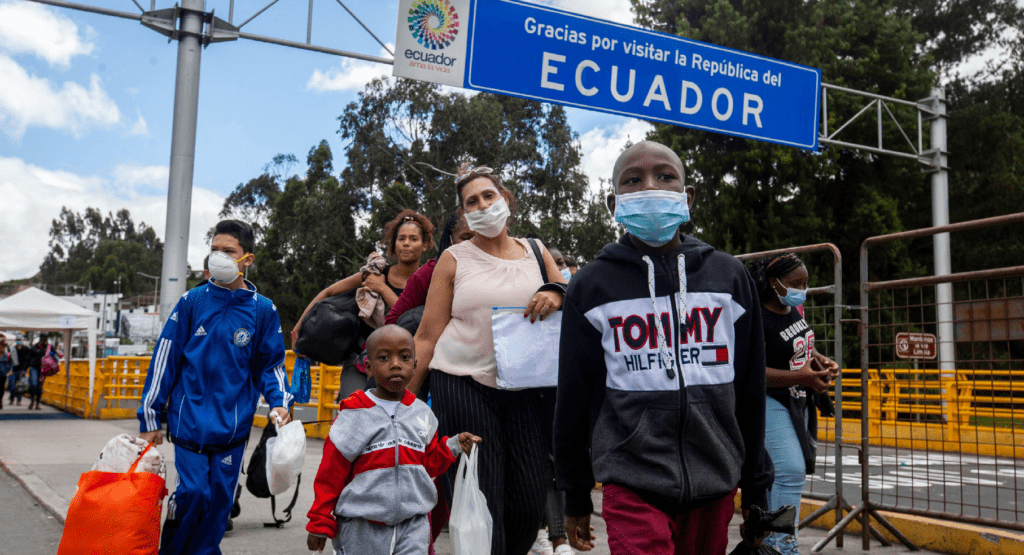
Venezuelan Migration and COVID-19 Response Measures in Urban Areas of Ecuador
The COVID-19 pandemic significantly impacted Venezuelan migrants in Ecuador, exacerbating their vulnerabilities due to restrictive containment measures, socioeconomic instability, and barriers to healthcare and basic services. This paper examines the intersection of pandemic-related restrictions, migrant precarity, and state responses, highlighting the disproportionate effects on urban Venezuelan migrants. Key challenges included irregular migration pathways, increased food
Venezuelan Migration and COVID-19 Response Measures in Urban Areas of Ecuador Read More »
Migration and Food (In)security During the COVID-19 Pandemic in Quito, Ecuador: A Photovoice Study with Venezuelan Migrants and Refugees
This research brief discusses the interrelationship of these factors, focusing on how the COVID-19 pandemic affected the food security of Venezuelan migrants in Quito, Ecuador. This qualitative study uses an intersectional perspective and Photovoice methodology to address the experiences of migrants in three temporalities: before, during, and after the pandemic.
The Food Security of Venezuelan Migrant and Refugee Families with Children and Adolescents During the COVID-19 Pandemic in Ecuador
This research brief examines the structural challenges faced by Venezuelan migrant families with children and adolescents in accessing food in Quito, Ecuador. Our survey of 788 migrant and refugee families found that the prevalence of informal employment, the unequal distribution of household chores between genders, the breakdown of community and family support networks, as well
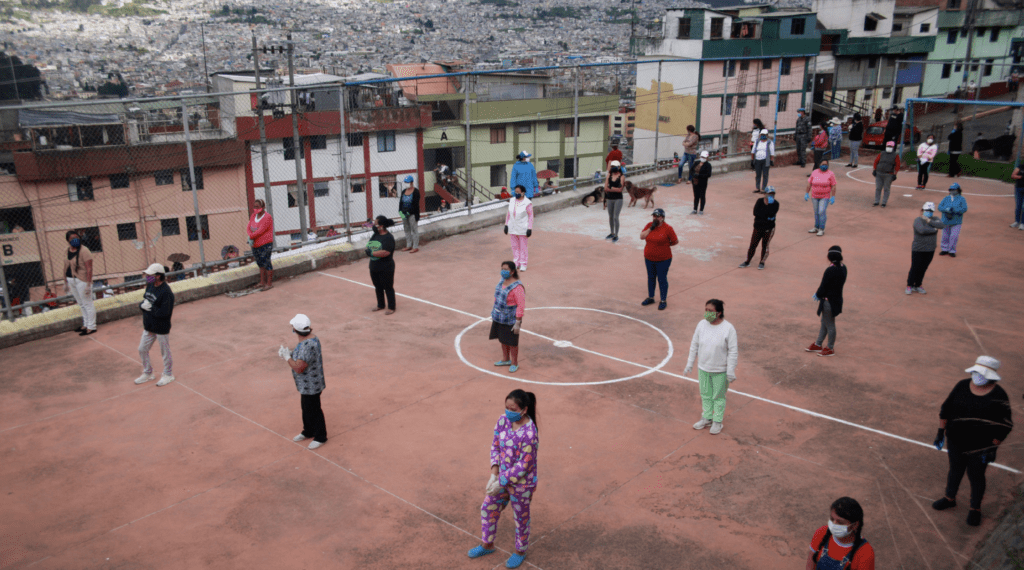
Impacts of COVID-19 Policy Measures on Migration and Food Security in Ecuador
The COVID-19 pandemic had profound effects on Ecuador, exacerbated by pre-existing weaknesses in the public health system, economic austerity policies, and social inequalities. The reliance on containment measures, combined with insufficient social support, resulted in severe economic and social decline. Migrants, already a vulnerable group, were further marginalized during the pandemic, facing exclusion from social
Impacts of COVID-19 Policy Measures on Migration and Food Security in Ecuador Read More »