India

Food Security and Dietary Diversity among Kerala’s Low-Skilled Migrant Workers in the Gulf Cooperation Council Countries during COVID-19

This paper examines food security and dietary diversity among low-skilled migrant workers from Kerala, India, who worked in the Gulf Cooperation Council (GCC) countries and returned during the COVID-19 pandemic. Data was gathered through face-to-face surveys with 100 return migrants in key sending districts of Kerala during 2022 and 2023. Our research investigates whether these […]

Food Security and Dietary Diversity among Kerala’s Low-Skilled Migrant Workers in the Gulf Cooperation Council Countries during COVID-19 Read More »

Tribal Household Economic Vulnerabilities and Male Out-Migration: Food Security Challenges of Women Left Behind in Kerala’s Hills and Forests

The project studies food security and nutritional challenges of women left behind in scheduled tribe communities in Wayanad and Idukki in India by examining the rural-urban links between male out-migration and food security. It focuses on the lived experiences of women left behind and their strategies to manage food security in the absence of male

Tribal Household Economic Vulnerabilities and Male Out-Migration: Food Security Challenges of Women Left Behind in Kerala’s Hills and Forests Read More »

Of Dirhams and Dishes: Migrant Remittances, Return Migrants, Middle Eastern Foods, and Contemporary Foodscapes Across the Kerala-Gulf Corridor

This project examines how return migrants, as well as fiscal and social remittances, have contributed to the emergence and expansion of restaurants and eateries serving Middle Eastern food in Kerala. Through this assessment, it explores the connections between the key themes of foodways, food systems, and the productive use of migrant remittances. The project addresses

Of Dirhams and Dishes: Migrant Remittances, Return Migrants, Middle Eastern Foods, and Contemporary Foodscapes Across the Kerala-Gulf Corridor Read More »

Inter-state Migration, Informal Precarious Livelihood and Challenges of Navigating Food Security Risk in Kerala’s Metropolis

Kerala, with its high Human Development Index and unique development model, has attracted a significant number of inter-state migrants seeking better livelihood opportunities. Our study aims to shed the light on the food insecurity challenges of the migrants and also evaluate the accessibility of the One Nation One Ration Card (ONORC) scheme in alleviating food

Inter-state Migration, Informal Precarious Livelihood and Challenges of Navigating Food Security Risk in Kerala’s Metropolis Read More »

The Migration-Remittance Dividend: Building Food Security Across the Commonwealth

Migration and remittance processes have a significant impact on socioeconomic development and food security in Commonwealth countries. Although remittances are critical sources of income for migrant-sending households in countries of origin, their effects are shaped by economic arrangements, financial inclusion and policy contexts. Moreover, the linkages between migration, remittances and food security remain largely underexplored.

The Migration-Remittance Dividend: Building Food Security Across the Commonwealth Read More »

Precarity, Food Insecurity, and Migration: The Kerala-Gulf Nexus and Women Domestic Workers

Low-skilled Malayali women migrants employed as domestic laborers in Gulf Cooperation Council (GCC)1 countries navigate a transnational labor system that entrenches gendered hierarchies and structural inequalities. Ethnographic fieldwork conducted in Kerala and the United Arab Emirates utilizing biographical methods such as life history and oral history reveals that migration, often envisioned as a pathway to

Precarity, Food Insecurity, and Migration: The Kerala-Gulf Nexus and Women Domestic Workers Read More »

Male Circular Migration, Rural-Urban and Gender Dynamics, and Food Security in India

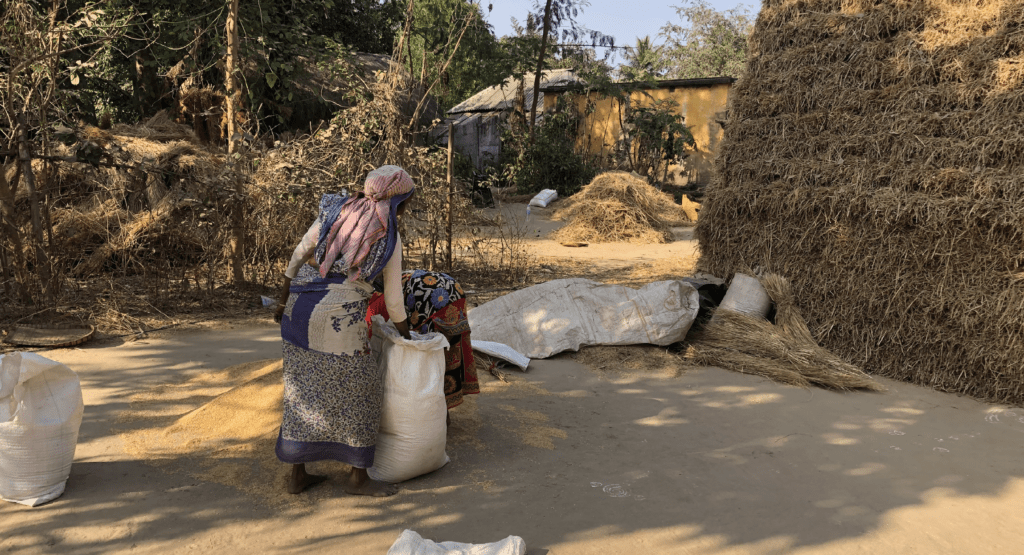
This paper examines the ways in which male circular migration as a household livelihood strategy affects food access among rural households in India. Circular male labor migration is the dominant form of labor mobility in many parts of India. This migration pattern creates important rural-urban linkages through income transfers and alters the gender power relations

Male Circular Migration, Rural-Urban and Gender Dynamics, and Food Security in India Read More »

Scroll to Top