
Canada

COVID-19, Food (In)security and Migrant Wellbeing: A Comparative Study of Ecuador, South Africa, and Canada

This paper examines the impacts of the COVID-19 pandemic on food security among migrants and refugees in three cities across the Global North and South: Kitchener-Waterloo, Quito, and Cape Town. Drawing on household survey data, complemented by qualitative insights and policy analysis, it adopts a comparative mixed-methods approach to analyse how pandemic-related disruptions intersected with […]
COVID-19, Food (In)security and Migrant Wellbeing: A Comparative Study of Ecuador, South Africa, and Canada Read More »

Displacement, COVID-19, and Food Security: A Photovoice Study with Resettled Syrian Women in Kitchener-Waterloo, Canada

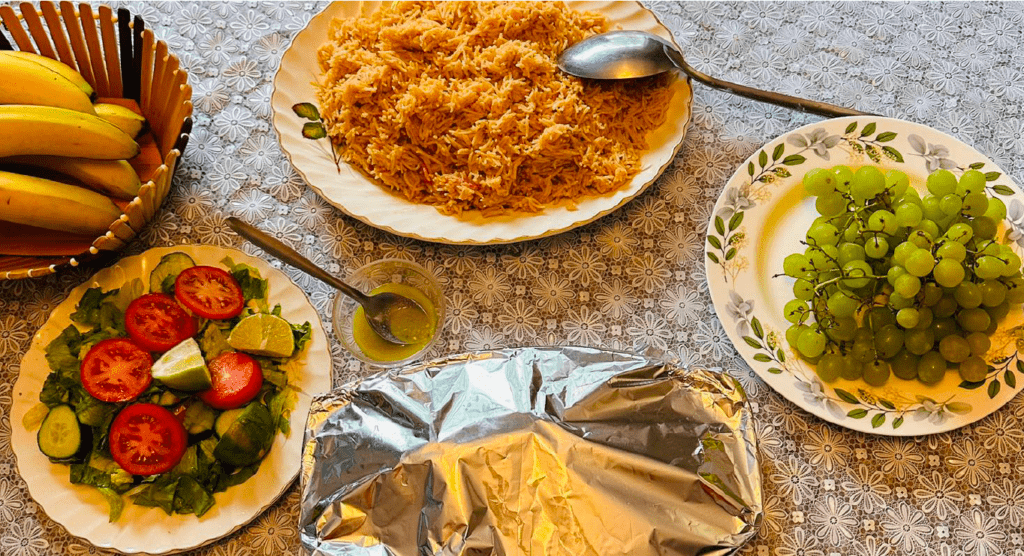
This paper examines the multiple ways forced migration and the COVID-19 pandemic shaped the food security experiences and food-focused activities of resettled Syrian women in Kitchener-Waterloo, Canada. Based on a participatory Photovoice study with 11 Syrian women, it explores how displacement undermines food security, including cultural food security, and why recovery remains difficult even after

Displacement, COVID-19, and Food Security: A Photovoice Study with Resettled Syrian Women in Kitchener-Waterloo, Canada Read More »

Food Environments Influence on Food Choices Among Different Socioeconomic Groups

— Master’s Thesis — There has been a shifting focus in research within food security studies to food environments as they are proving to be one of the most influential factors in individuals’ food and dietary choices. Situated within the second United Nations (UN) Sustainable Development Goal of Zero Hunger, this thesis examines the physical and

Food Environments Influence on Food Choices Among Different Socioeconomic Groups Read More »

Food Insecurity, Gender, and Transnational Social Obligations among Somali Refugees during the COVID-19 Crisis in Kitchener-Waterloo, Canada

This paper examines food insecurity among Somali refugees in Kitchener-Waterloo, Canada, during the COVID-19 pandemic, focusing on the interplay among livelihood disruption, gendered care, and transnational obligations. Using a mixed-methods design, it draws on a household survey of 39 Somali refugee households and 20 in-depth interviews, combining standard measures of food access and diet with

Food Insecurity, Gender, and Transnational Social Obligations among Somali Refugees during the COVID-19 Crisis in Kitchener-Waterloo, Canada Read More »

Barriers and Facilitators to Engagement in Collective Gardening Among Black African Immigrants in Alberta, Canada

Community gardens are increasingly popular in Canadian cities, serving as transformative spaces where immigrants can develop self-reliant strategies for accessing culturally familiar and healthy nutritious foods. However, numerous facilitators and barriers exist that limit the engagement of racialized groups such as Black-identifying immigrants. Using a socio-ecological framework, this research explores barriers and facilitators of engagement

Barriers and Facilitators to Engagement in Collective Gardening Among Black African Immigrants in Alberta, Canada Read More »

The Migration-Remittance Dividend: Building Food Security Across the Commonwealth

Migration and remittance processes have a significant impact on socioeconomic development and food security in Commonwealth countries. Although remittances are critical sources of income for migrant-sending households in countries of origin, their effects are shaped by economic arrangements, financial inclusion and policy contexts. Moreover, the linkages between migration, remittances and food security remain largely underexplored.

The Migration-Remittance Dividend: Building Food Security Across the Commonwealth Read More »

Remitting for Resilience (R2): Enhancing Food Security and Climate Adaptation Through Gender-Inclusive Migrant Remittances

The R2 grant funded by NFRF in Canada responds to international calls to enhance adaptive capacities and resilience-building strategies to address the risks of climate change to food security, rural and urban livelihoods, and human mobility in Africa. The objectives of the project include: coproducing and mobilizing knowledge about the role of migration and remittances

Remitting for Resilience (R2): Enhancing Food Security and Climate Adaptation Through Gender-Inclusive Migrant Remittances Read More »

‘Going to the Supermarket was Hard’: Pandemic Foodscapes and Unsettled Food Practices of Refugees in the Waterloo Region

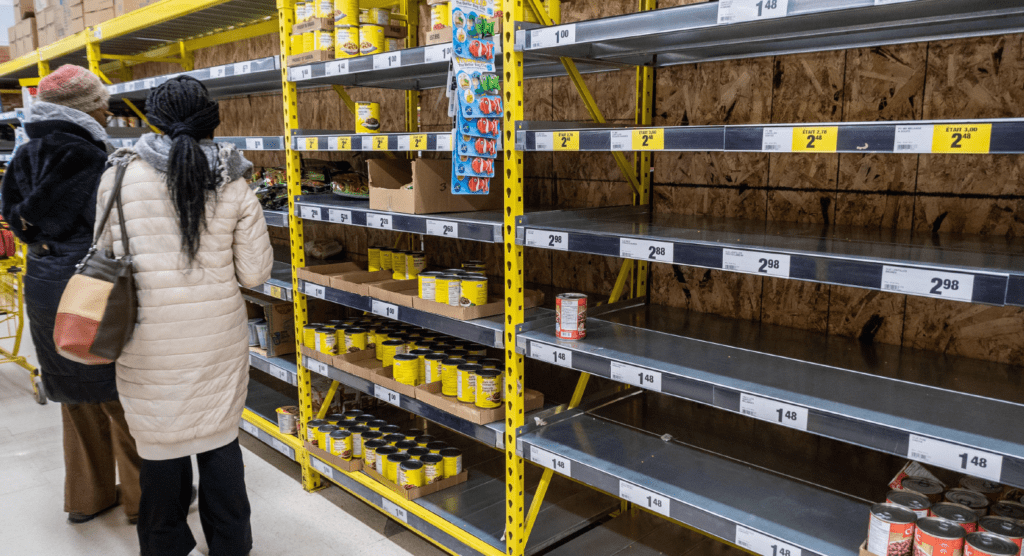
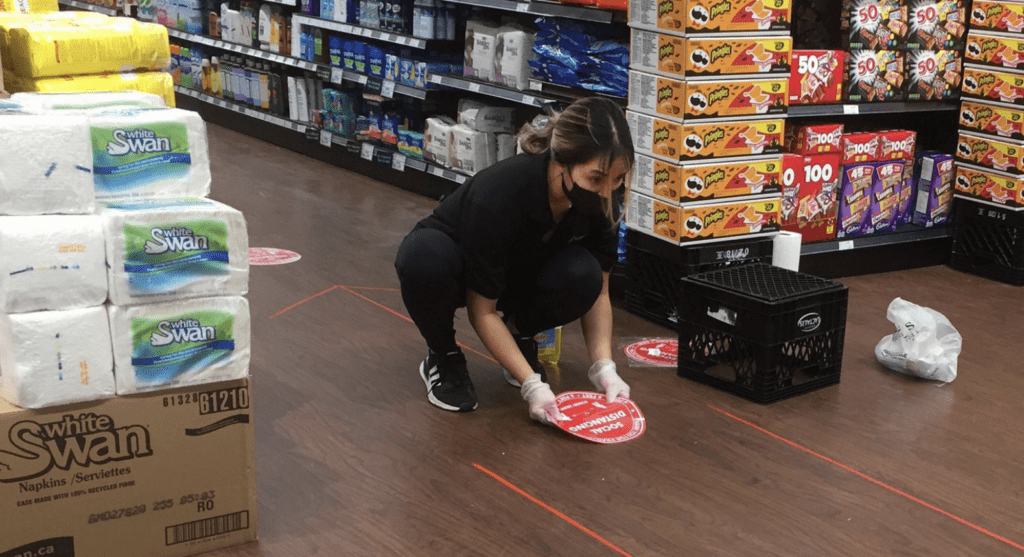
In this paper, we examine how the ‘new normal’ of pandemic-living transformed the local food environment in Ontario as pandemic foodscapes. Using selected findings from mixed methods research with a small sample of recently resettled refugees in the Waterloo region, we evaluated how these changes affected their grocery shopping and food-sourcing habits. We identify the

‘Going to the Supermarket was Hard’: Pandemic Foodscapes and Unsettled Food Practices of Refugees in the Waterloo Region Read More »

Resettled Syrian Women and Food Security in Kitchener-Waterloo, Canada, During COVID-19: Personal Reflections on a Photovoice Participatory Study

In this research brief, I explain the photovoice research method and how it was organized with the Syrian women participants. I also offer some personal and critical reflections on my role as a peer researcher and sole facilitator for this study. I identify some challenges faced during the study and offer some suggestions for future

Resettled Syrian Women and Food Security in Kitchener-Waterloo, Canada, During COVID-19: Personal Reflections on a Photovoice Participatory Study Read More »

Living Through the COVID-19 Pandemic as a Refugee in Secondary Cities in Canada: The Intersectionality of Immobility, Gender and Food Insecurity

The COVID-19 pandemic exposed and exacerbated the vulnerabilities of migrants and refugees in secondary cities in Canada, where the restrictive food environment and limited resources heightened challenges related to food security. This study investigates how the intersectionality of immobility, gender, and food insecurity shaped the lived experiences of recently resettled Syrian, Somali and Afghanistan refugees

Living Through the COVID-19 Pandemic as a Refugee in Secondary Cities in Canada: The Intersectionality of Immobility, Gender and Food Insecurity Read More »

Scroll to Top